
Crisis for these NJ school districts: Layoffs, closures despite rising taxes
🍎 School districts are laying off teachers and selling school buildings
🍎 List: The towns paying the most taxes for public schools
🍎 Compare: See how much of your tax bill goes to schools
New Jersey homeowners are paying record-high property taxes and still watching their local schools cut teachers and close buildings.
Across the state, districts in suburban and middle-class communities are slashing staff and programs even as residents shell out some of the highest tax bills in the country. The average property tax bill has climbed to $10,570, with more than half going to education. Yet for many towns, that money isn’t translating into stable school budgets.
That disconnect continues to fuel outrage over New Jersey’s school funding formula — a long-criticized system that directs massive state aid to certain districts like Newark, which is set to receive $1.38 billion under Gov. Sherrill's proposed budget — while steadily pulling support away from others.
Now, from Lakewood to Middletown to Cherry Hill, the consequences are hitting home — and taxpayers are asking a blunt question: where is all their money actually going?
Take a look, for example, at Lakewood, where the district is laying off 164 employees at the end of June, according to a recent state Department of Labor notice. Earlier this month, the New Jersey Supreme Court upheld a state takeover of the Lakewood Township School District because of its spiraling finances.
In Lakewood, the average homeowner pays $9,000 in property taxes, according to state data. Around $3,800 of that, or 42%, is dedicated to school funding.
The district blames its woes on the school funding formula and its unique situation: more than 40,000 students in Lakewood are enrolled in private schools and taxpayers pay $33 million for their busing. The township has over 100 private schools, most of them Orthodox Jewish. But many other New Jersey school districts are suffering.

With 4,700 students, Bernards Township public schools are roughly the same size as Lakewood public schools. Compared to Lakewood, Bernards residents pay more in taxes, and a greater percentage goes to schools; around 65% of the $14,700 average property tax bill.
But Bernards is still in a crisis. The district is facing a drop in state funding and increased costs. Along with cutting up to 30 teachers and increasing taxes, school officials floated charging families $50 to $200 for their students to participate in extracurricular activities.

In Ocean Gate, the district's only school is closing in June due to a loss in state aid. The total budget was $3.8 million in the 2024-25 school year. Residents paid $4 million in taxes, but an unmanageable $700,000 deficit grew as the state slashed over $600,000 in funding.

In Jackson, school officials say they've had to cut 385 teachers in recent years and sell Christa McAuliffe Middle School, which provided the district with $40 million in December. A year earlier, the district sold Sylvia Rosenauer Elementary School.
School officials in Jackson also blame the funding formula, which has stripped them of over $22 million over the last eight years.

In Fair Lawn, rising health insurance premiums for employees mean residents will see a $21 increase in their tax bills for the upcoming school year. Health costs have also left Lacey schools with a $5 million deficit despite cutting 150 teachers. Edison Mayor Sam Joshi called a school tax increase of $700 "reckless" in the face of a drop in state aid.

Cherry Hill schools are also dealing with tough decisions. The district, which collected $215 milion in school taxes, is looking to increase the school tax levy by over 7%, which still can't guarantee layoffs won't happen as health costs rise by $10 million in a year.
Another district in crisis is Hackensack, which faces a $17 million budget shortfall. Its officials said they were forced to cut up to 90 teaching jobs. Field trips and other programs may also be on the chopping block.

The Jefferson Township School District has already closed two schools, terminated 100 staff members, and added fees in response to $45 million in state aid it never received. Jefferson still faces a $2.9 million budget gap in the upcoming school year. Last year, 60% of the district's taxes went to schools, which collected $53 million in tax revenues.
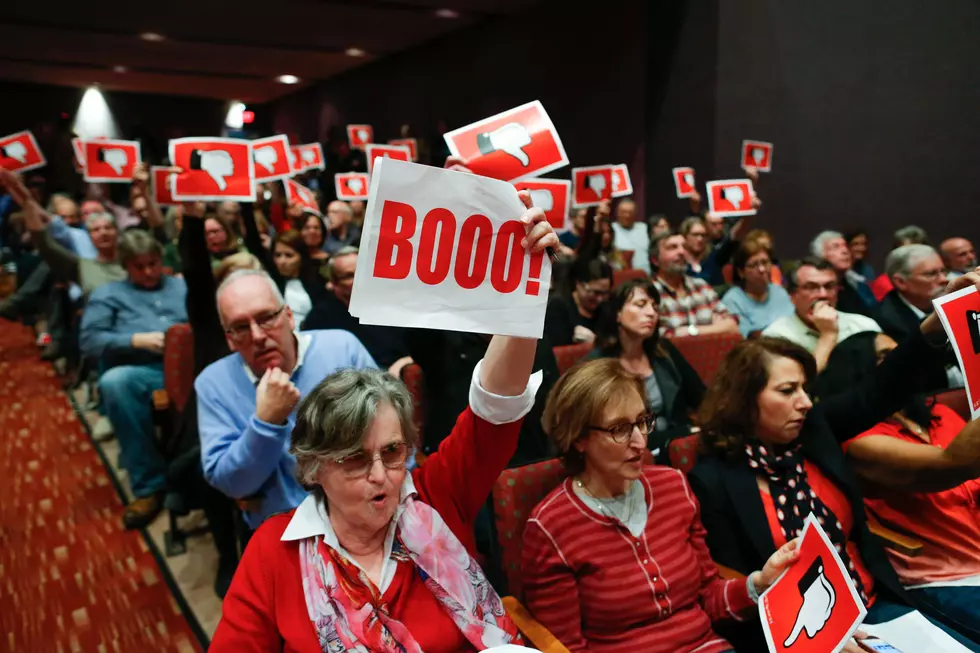
In Middletown, the school board plans to cut 40 teachers and raise school taxes by 3%. The district will also close two schools and convert a third school from a middle school into an elementary school. Officials said Middletown schools would face $30 million in deficits over the next four years without the plan, which caused major backlash from residents.

Robbinsville residents already pay $52 million for schools, and in March, they rejected a referendum question to raise $5 million. Instead, Robbinsville schools now plan to cut 15 jobs, mental health services, and other programs.
The average Montclair resident pays nearly $13,000 in school taxes alone, but the wealthy Montclair Public Schools district plans to cut more than 30 teachers in the upcoming school year. And that's despite a nearly 4% school levy tax increase for 2026-27.

There are over a dozen towns where residents pay more than Montclair to fund New Jersey schools. Nearly all of them are in Bergen, Essex, or Morris counties.
NJ towns paying the most taxes for public schools
Gallery Credit: New Jersey 101.5
Report a correction 👈 | 👉 Contact our newsroom
Share of your tax bill going to schools vs. municipality
Gallery Credit: New Jersey 101.5
Top winners & losers in Gov. Sherrill's first school aid proposal
Average New Jersey property taxes in 2025
Gallery Credit: New Jersey 101.5
More From New Jersey 101.5 FM