
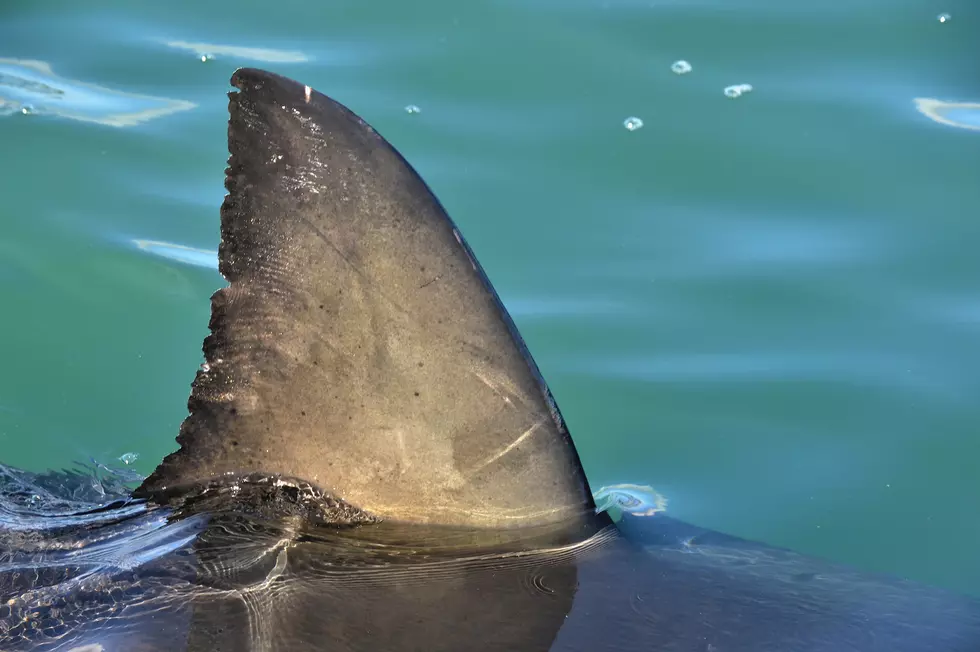
Shark warning at NJ beaches: Follow these easy tips to avoid attack
🌊 The number of shark sightings has increased at the Jersey Shore
🌊 One shark expert explains the reasons for this spike
🌊 But there are ways to protect yourself against a potential attack
Cue the theme music from "Jaws."
As we dive into summer, we should be more aware of increased shark activity at the Jersey Shore.
A shark attack in May 2023 was the first at the Jersey Shore since 2013.
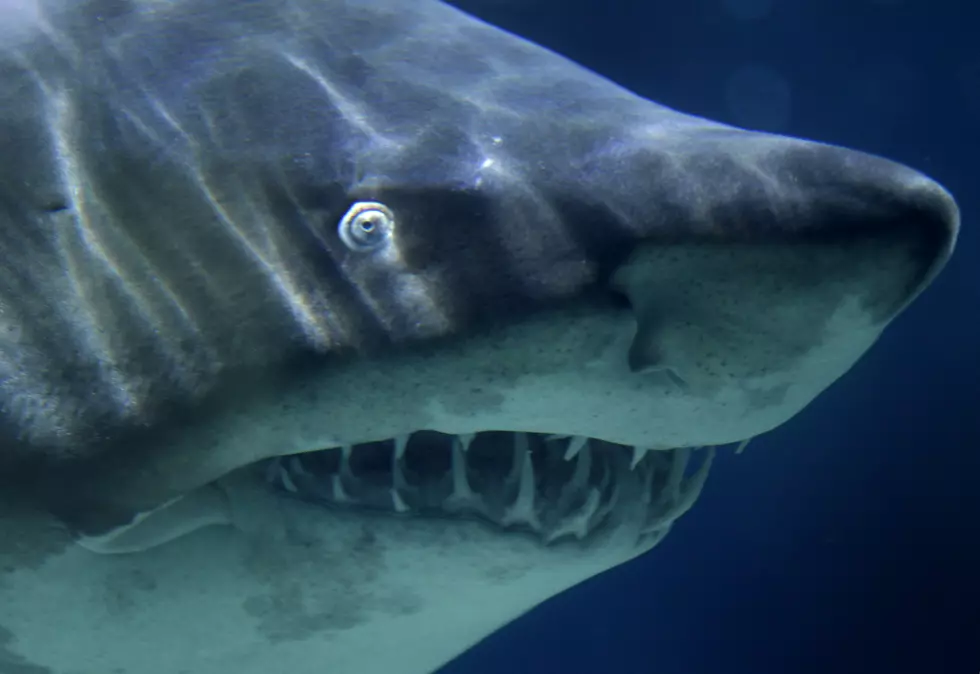
Why are there more sharks at the Jersey Shore?
There are a few reasons why more and more sharks are showing up in waters not only in-shore but also off the Jersey coast, said Rich Weddle, curator at Sea Life New Jersey Aquarium at the American Dream in East Rutherford.
Waters have been warmer as climate change has taken effect, so there are shark species that are expanding their range, Weddle said.
There is more productivity in-shore so warmer water creates more nutrients, which creates more plankton, which attract the fish, which attract the sharks.
“We’ve done a very good job of controlling fisheries so we’ve seen the recovery of fish spots and even seal population levels, which are important prey for many species of sharks,” Weddle said.
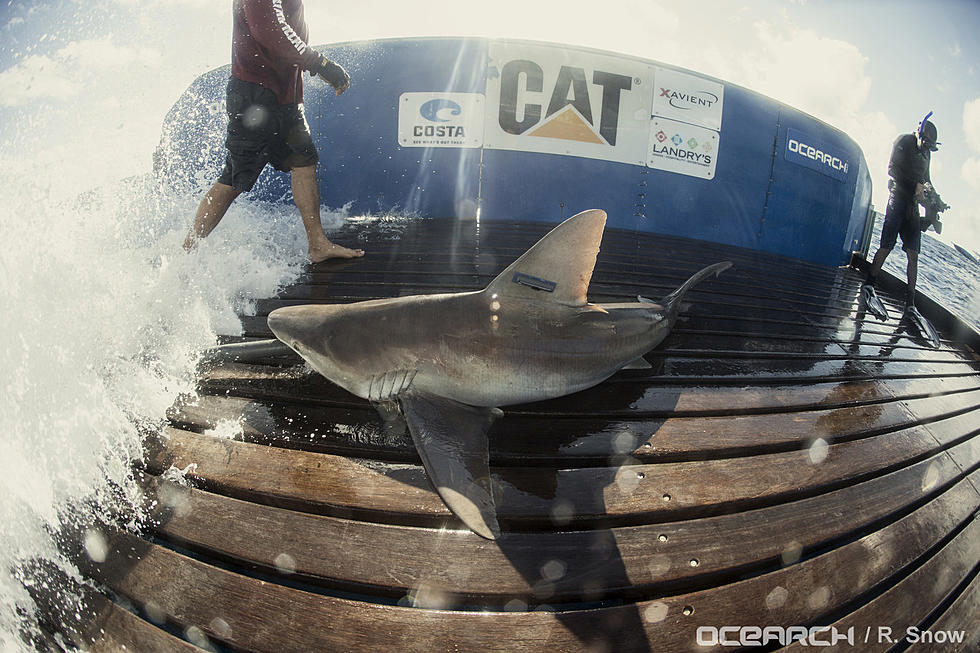
Species of sharks in NJ
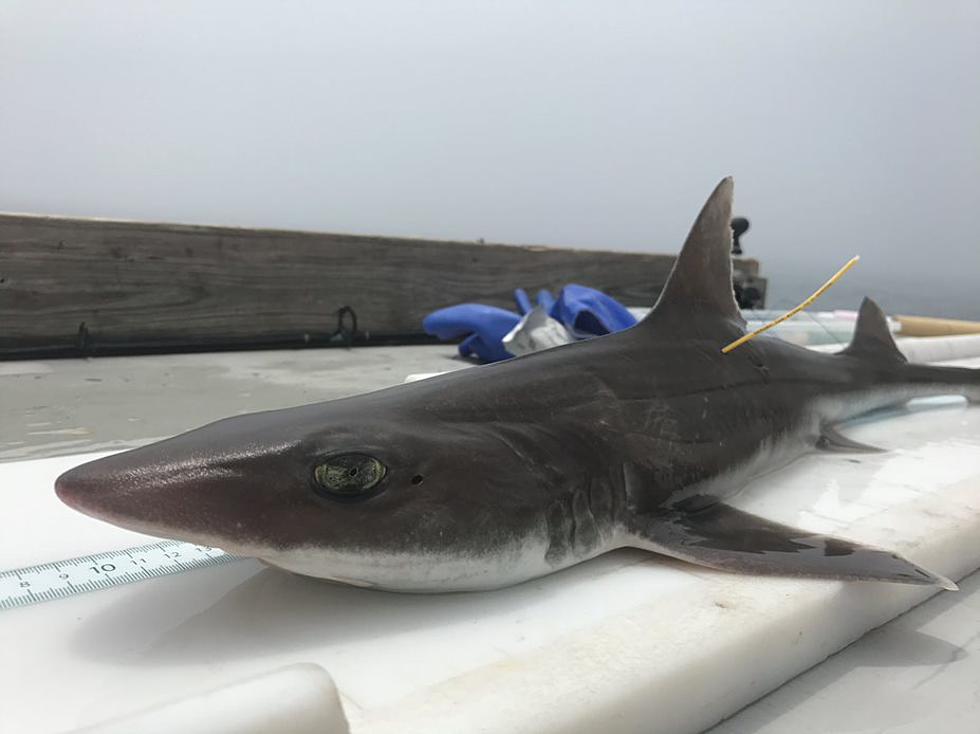
New Jersey has a large diversity of sharks. Most are seasonal. In-shore, the most likely species to be seen are sandbars, sand tigers, and dogfish (spiny and smooth).
Off-shore, there are great whites, hammerheads, mako, threshers, and blue sharks. Some of those species are only around in the summer, and most of them stay further offshore, Weddle explained.
Why do sharks bite?
While shark attacks are rare when they do bite, it’s almost always a case of mistaken identity by the shark, Weddle said. Humans are not the natural prey for any species of shark.
“Often the shark is confused and strikes at us thinking we are food, particularly in water that has a low visibility. The shark senses the motion of a swimmer or a surfer and then sees the contrast of a flash of light, thinks it might be a bait fish, and bites it, and then realizes it’s a mistake and immediately lets go,” Weddle said.
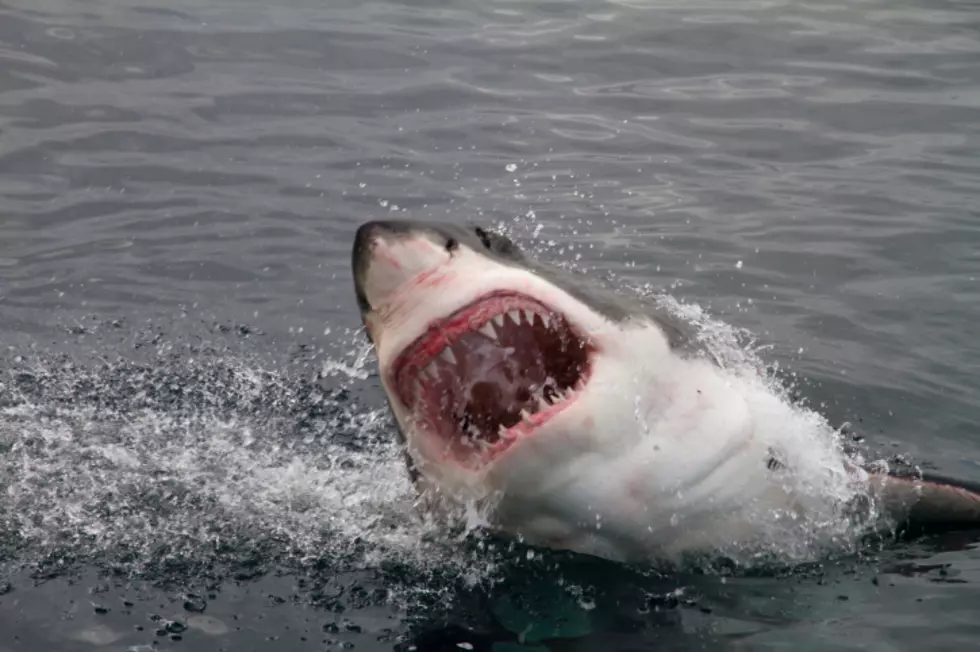
Protection against shark attacks
Always swim at guarded beaches. Lifeguards are trained to spot sharks before a swimmer can, and they know how to respond to an emergency.
Avoid swimming at dusk and dawn. During those times, visibility and light levels are low in the water when sharks tend to feed, putting swimmers at greater risk of an attack.
Situational awareness. If there are fishermen at the beach catching a lot of fish, assume that the high population level of these fish will be attracting sharks, Weddle explained.
Watch for bait fish jumping out of the water. They are generally doing that to avoid larger fish such as striped bass and bluefish that are feeding. The presence of those larger fish also attracts sharks.
Don’t wear flashy jewelry in the water. While sharks are color-blind and only see their world in black, white, and grey, they are very sensitive to contrast.
“If you think about it, the flashing white of a fish belly in a dark water is very high contrast and it will attract a shark,” Weddle said.
Avoid wearing swimsuits that have contrasting colors like black and white stripes.
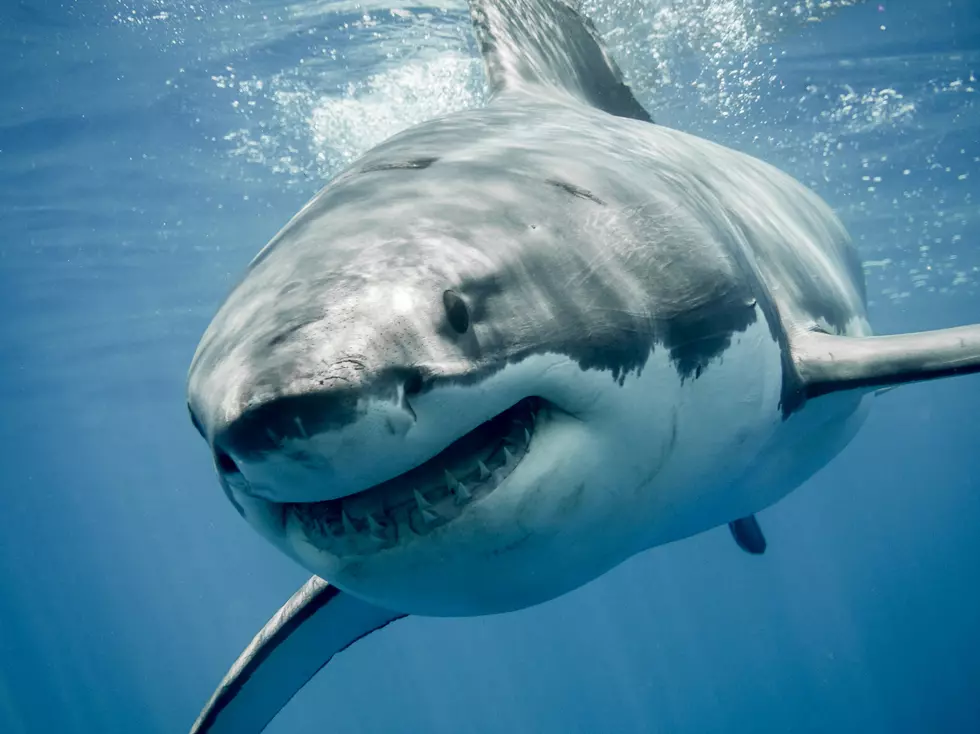
Face-to-face with sharks
In the unlikely event that you happen to come face-to-face with a shark in Jersey waters, Weddle said the most important thing to do is not to panic.
Avoid splashing, which can mimic a struggling fish or seal and attract the shark.
Maintain eye contact with a shark. That might sound odd, Weddle said, but move your body so you’re facing the shark as much as possible. Sharks are ambush predators. They like to sneak up behind their prey and grab it. But if they are aware that a human is tracking their motions, they’ll often disengage and swim away, Weddle said.

Pupping grounds
Coastal New Jersey habitat is critical as nurseries for various species of sharks, Weddle said.
Sandbars, sand tigers, and great whites use the Jersey coastline as a place to have their young be protected, fed, and raised.
There is a sandbar shark nursery in Barnegat Bay, a sand tiger nursery off the south shore of Long Island, and great whites use the entire coastline as a nursery.
“It’s very interesting to think about how important we think of our coastline as a recreational resource, but it’s also a critically important resource for all of these sharks,” Weddle said.
Enjoy the Jersey Shore beaches this summer, be aware of your surroundings, and just remember, you’re enjoying “their” home.
8 sharks you may find off New Jersey's coast
Gallery Credit: Dino Flammia
Report a correction | Contact our newsroom
More From New Jersey 101.5 FM