Waymo review: Why I’m sold on driverless cars
As you know if you've listened to me for any amount of time, I love to drive.
Maybe it's the new commute Manhattan, maybe I'm just getting older or maybe I just love the latest human innovations.
Whatever the reason, I'm hooked on driverless cars.
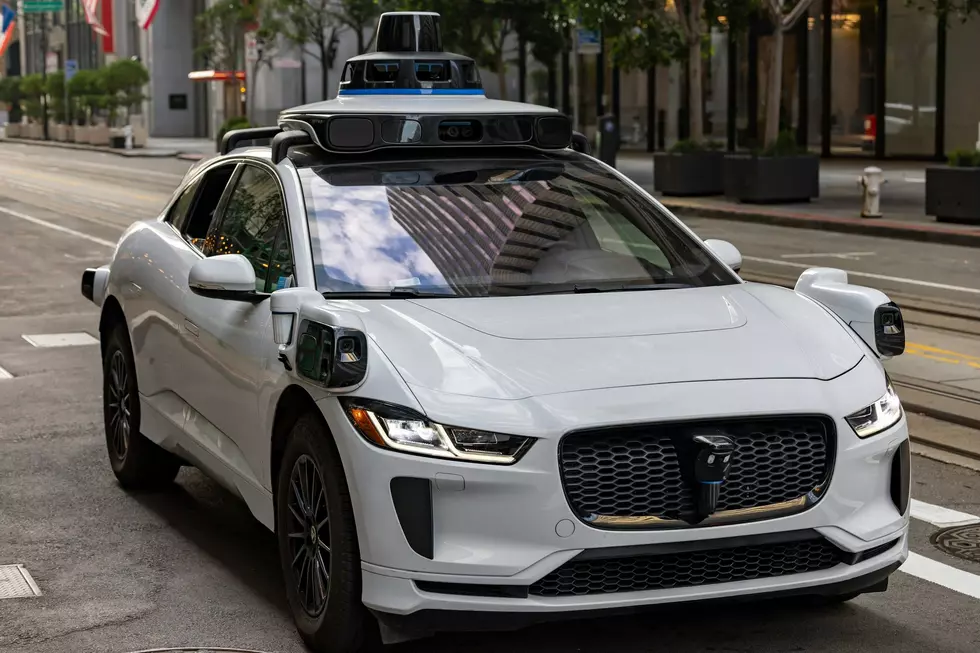
My ride in a driverless car
During my recent visit to San Diego to see our son, we called Waymo instead of Uber to take us home after dinner downtown.
I have to tell you, the technology is incredible.
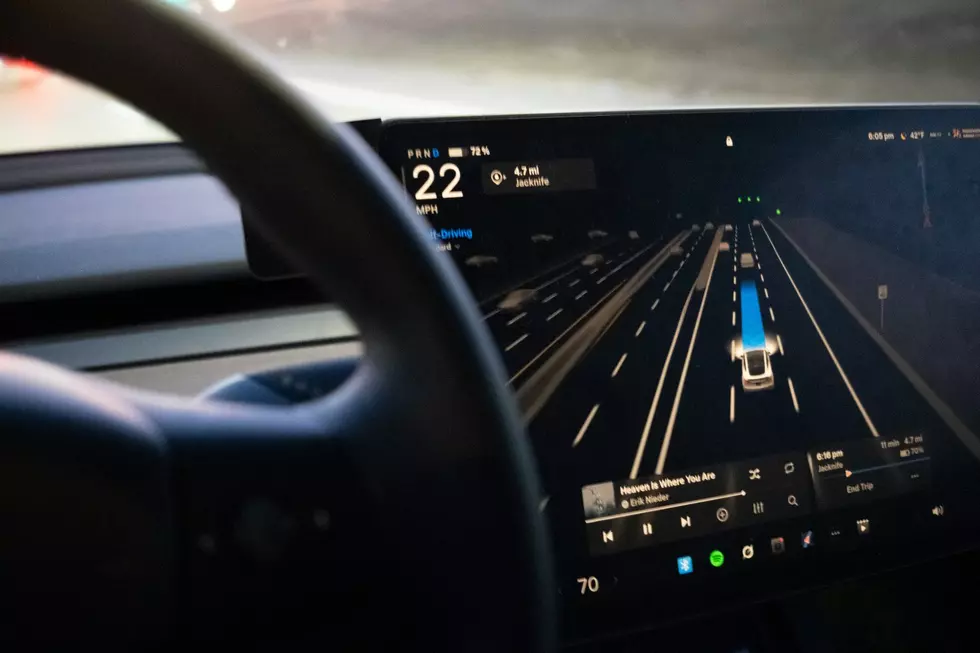
Waymo cars are fully automated and autonomous. That means the car pulls up, doors open, you get in and the car does the rest.
Think about what we’re witnessing. A car navigating city streets, responding to traffic signals, identifying pedestrians, recognizing other vehicles and making thousands of decisions without someone sitting behind the wheel.
What makes Waymo so impressive isn’t simply that the car drives itself.
It’s the extraordinary combination of cameras, radar, lidar sensors, artificial intelligence and sophisticated mapping technology that allows the vehicle to understand and navigate its surroundings.
One problem is that local regulations apparently prevent the cars from driving on the highways. So, our 15-minute ride home turned into 45 minutes.
From the back seat, we asked for customer service and the AI system responded with a very human-sounding bot who refunded the charge.
The reason? Had we known it would take two to three times longer than an uber ride, we would have not taken the ride.
Of course, I'm happy we did. This is the future.
Now I want to buy one, especially for my commute.
Imagine, forget waiting for the bus, sharing ever-shrinking personal space on the train or sitting behind the wheel for hours aggravated and unable to get work done or catch up on sleep.
Let the computers do the driving and all of a sudden, that commute becomes productive work time or an opportunity to rest
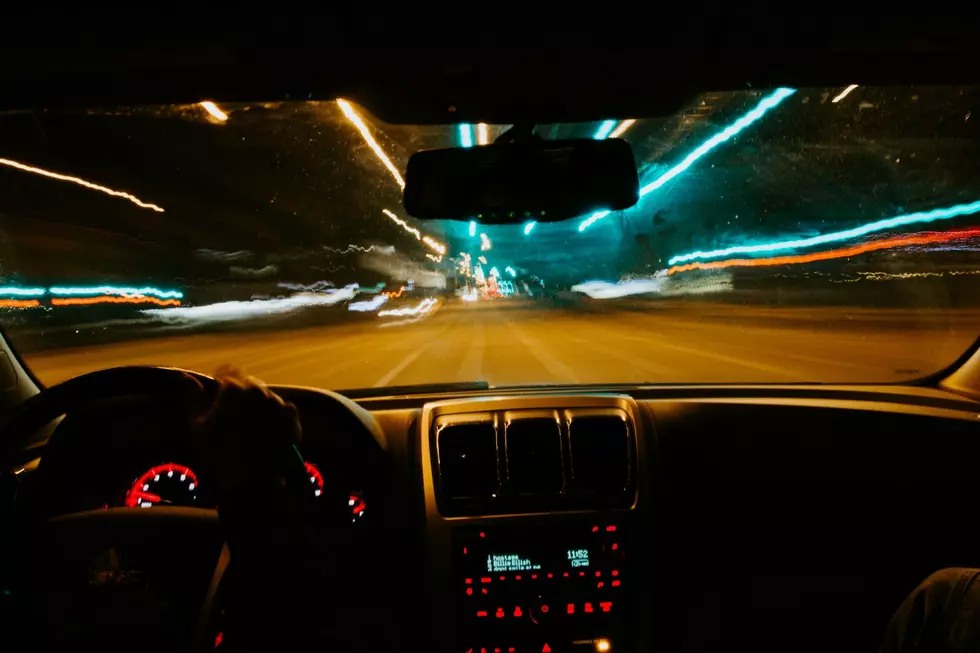
Driverless cars could change everyday life
Consider the possibilities.
How many accidents could eventually be prevented by eliminating distracted driving, drunk driving and human error? How much independence could this technology provide for senior citizens who can no longer drive?
Or for people with disabilities who struggle with transportation.
Imagine the convenience of getting into a vehicle, telling it where you want to go and allowing the technology to handle the rest.
There are legitimate questions about safety, regulation, privacy and the impact on professional drivers.
Those conversations have to happen but we shouldn’t allow fear of technological advancement to prevent innovation.
America has always been at its best when entrepreneurs, engineers and innovators are free to challenge conventional thinking and develop something extraordinary.
Autonomous transportation has the potential to become another one of those breakthroughs.
As big as air travel and the invention of the car itself. Think about the impact on insurance costs alone.
Given how fast AI is evolving, I think we are within a couple years of these cars being available as a retail product.
The question is whether our politicians can keep up and embrace the future instead of fearmongering legislation to slow progress.
LOOK: These 25 Cars From the '80s Were Awesomely Cool
Gallery Credit: Stephen Lenz
The post above reflects the thoughts and observations of New Jersey 101.5 talk show host Bill Spadea. Any opinions expressed are Bill's own.
FOLLOW BILL: Join the Bill Spadea's New Jersey channel on our Facebook page.
More From New Jersey 101.5 FM