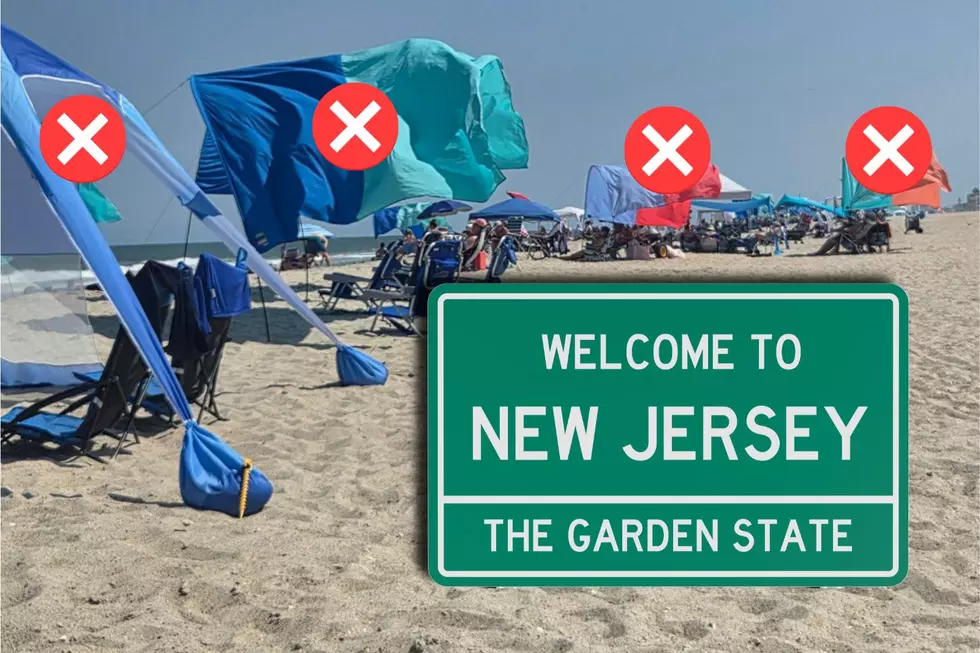
Shibumi, Nesso and other NJ beach shades: What’s allowed, what’s annoying
🏖️ Beach canopy rules vary widely from one New Jersey shore town to the next.
➡️ Some beaches ban Shibumi-style shades and large pop-up cabanas during peak summer.
⚠️ Check local rules before you go, as violations can mean removal or fines.
While the tried-and-true, classic beach umbrella design is alive and well, entrepreneurs have been busy over the past few years.
The results of their labor and seed money can be seen on beaches up and down the East Coast — but many are restricted from peak season use in much of New Jersey.
Beach canopy and shade regulations are set by each municipality, so it’s even more challenging to keep track of.
Some communities have strict bans on any multi-post canopies or tents, largely to keep lifeguard sightlines clear along the waterline.
Other New Jersey beach towns allow shades or open-tent structures up to 10 feet by 10 feet, in specifically designated zones.

Why Shibumi Shades, Nesos and beach canopies face restrictions in New Jersey
Among the latest popular devices are Shibumi Shades, designed and patented by three guys from North Carolina. The high-end, windsock hybrid shade design actually does well in windy conditions.
The flexible anchor pole is considerably less hazardous than a thicker, sharper umbrella pole. A “wind assist” accessory is also sold, to be attached to the corners of the canopy when there’s no breeze on the beach, to anchor those sides with sandbags.
The “regular" model spans 150 square feet, while the “mini” covers 75 square feet.
Both involve a front tension line to keep the shade tethered, which means the setup spreads beyond the shade itself.
Neso Tents are another patented beach sunshade. Setup involves a large canopy with four anchor bags, made of the same fabric, and either two or four poles to support. The Neso comes in three sizes: 7 feet by 7 feet, 9 feet by 9 feet or 11 feet 11 feet.
Another brand, CoolCabana, is like a hybrid umbrella and pop-up tailgate canopy.
All these newer ways of staying shaded are easy to use on a wide, less packed beach. At a Jersey Shore beachfront during the height of summer, every inch of space is at a premium.
New Jersey is not the only state with restrictions on shade devices other than regular sized umbrellas.
South Carolina beaches, including Myrtle Beach, and Delaware have also cracked down on shades and larger canopies during the crowded summer season, from Memorial Day weekend to Labor Day.
Beach lifeguard zones should be observed
Even on the dozen or so beaches that don’t have peak summer restrictions on sun shades and canopies, follow common sense advice and steer clear of lifeguard zones, during staffed hours.
Regardless of which beach you are on, tents that block lifeguards' line of sight to the shoreline may be asked to relocate."

Some of NJ’s most popular beaches have rules about summer sun shades
Asbury Park
“Traditional umbrellas up to 6 feet in diameter (with a central pole at a 90-degree upright angle) and infant sun shades (no bigger than 3 feet tall, 4 feet wide and 4 feet deep) are allowed.
“Tents, camping tents, and canopies are strictly prohibited. Violating these rules may result in a $250 fine,” the city says.
Belmar
Umbrellas are allowed, round or square, with one central pole supporting the canopy in an upright or adjustable, tilted position up to 90° - and a top no larger than 6 feet across and fully open, without flaps, on all sides. “Baby tents” are also allowed for child shade use, no bigger than 3 feet tall and 4 feet across, with see-through sides, and open on one side.
“The Police Department is authorized and directed to remove any tent, shibumi, canopy, pop-up, umbrella, sun shelter, device, structure, or enclosure” that is creating a “hazard or unnecessary disturbance to others.”
Lavallette
Standard beach umbrellas are allowed, 8 feet or less in diameter. Canopy-style sunshades and baby tents are also allowed, no larger than 10-by-10 feet and with no side walls or screens. Any shades must also be spaced at least 15 feet apart from each other.
Manasquan
Traditional umbrellas are allowed - single central stanchion, a collapsible circular shade no larger than 8 feet in diameter, and stand no taller than 7 and a half feet. Also allowed: “baby tents” to shade infants and children, up to 50 inches tall, 50 inches wide, 50 inches deep.
Seaside Heights and Seaside Park
Umbrellas with a collapsible shade no greater than 8 feet in diameter, with a center pole no taller than 7 and a half feet and "without grounding lines, ropes, or sides" are allowed on the beach. So are "baby tents" for child use, no larger than 3 feet tall, 3 feet wide, 3 feet deep.
Canopy style sun shades, 12 feet by 12 feet and smaller, without side walls or screens are permitted on the beach — as long as they’re “westward of a line parallel to the back edge of the lifeguard stands.” Canopy-style sun shades cannot be closer than 15 feet apart.
A “sport-brella style” beach shade that is 9 feet in diameter or less can be set up on the west side of the beach, near the Boardwalk Promenade so that it does not block others' views.
Seaside also asks that umbrellas, baby tents and canopies be secured with fasteners, stakes or weights for safety - while adding “anchoring lines, tethers, or the like shall not extend beyond the perimeter of the baby tent, canopy, or sport-brella.”
Toms River (Ortley Beach):
Umbrellas and shade structures must be smaller than 7 feet by 7 feet and secured. Child/infant tents, up to 40 inches × 40 inches are also allowed. “Beach staff may require structures to be removed for safety if weather conditions require. Security and safety of structures is the responsibility of the guest and any damage or injury caused shall be borne by patron bringing structure to the beach.”
Ocean Grove
No tents or canopies allowed "beyond 30 yards of the boardwalk." Only umbrellas with one central stanchion to support shade whether upright or a 90-degree position. “Baby tents” no larger than 3 feet wide by 3 feet deep are allowed, for infant use only.
Sea Girt
No tents or canopies allowed - just single-pole umbrellas no bigger than 6 feet across, whether upright or at a 90-degree position. "Easy Go Cabanas" are not permitted.
“Baby tents” — no larger than 40 inches tall by 40 inches wide by 40 inches deep — are permitted for “infant use only.”
Ocean City
Less restriction and branded as “to make everybody's beach day more enjoyable," beach goers are asked to limit tents and canopies to 10 feet by 10 feet or smaller, and not block public or emergency vehicle access. “As a matter of courtesy on crowded beaches, please set up on the soft sand closer to the dunes,” the city’s website said. “Please allow a right-of-way for people walking down the beach below the high-tide line.”
Seven Presidents Oceanfront Park, under Monmouth County Parks
Umbrellas, open sided tents and canopies, are allowed based on the online rules, as long as they're not linked together.
Island Beach State Park, Ocean County
“For the safety of our staff and visitors, only single pole umbrellas and a maximum of 3'x3'x3' shade shelter for small children are allowed," the park clarified in a 2024 post, adding “Pop-up type canopies are still allowed in Mobile Sport Fishing Vehicle areas and where you can walk on the beach south of the swimming areas."
Sandy Hook, Gateway National Recreation Area federal regulations
“Only umbrellas with a diameter of 8 feet, that require only one central station to support shade are allowed on the beaches. Small tents designed for infants/toddlers are allowed as long as an infant/toddler is present.”
Long Branch
“Standard single-pole beach umbrellas or small open baby-shading devices (maximum 3 feet in height, width, and depth). “Full-size tents, canopies, and enclosed sunshades are strictly prohibited on the beach. “
North Wildwood
“Tents or similar shade structures that are 10 feet by 10 feet or smaller are allowed on North Wildwood beaches.”
These NJ beach towns allow open-sided sun tents or canopies in summer:
▪️Atlantic City
▪️Avalon
▪️Barnegat Light (part of LBI)
▪️Bay Head
▪️Cape May
▪️Deal (cabanas and wind screens ok)
▪️Loch Arbour
▪️Margate
▪️Sea Bright
▪️Sea Isle City
▪️Ship Bottom (part of LBI)
▪️Stone Harbor
▪️Strathmere
▪️Ventnor
▪️Wildwood
▪️Wildwood Crest
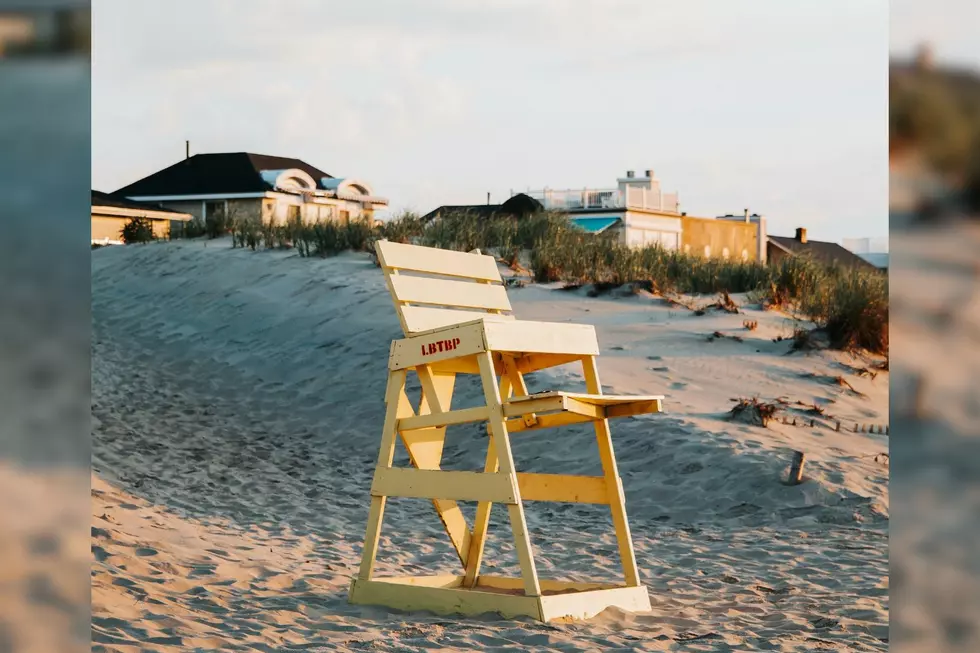
⛱️ Long Beach Island has varied sun shade rules in season
From North to South on LBI, the restrictions still vary, especially since Long Beach Township is spread out in pockets, between Barnegat Light and beyond Beach Haven.
Barnegat Light: Umbrellas, pop-up shades and canopies are currently okay for use, with no community-wide restrictions.
Harvey Cedars and Surf City: “Single pole shade devices are permitted on the beach but may not be larger than 8 feet by 8 feet with no sides. Shade devices may not be pre-set up on the beach to reserve a sitting area, and they will be removed at the owner’s expense,” according to online guidelines.
Long Beach Township (LBT): Single-pole, collapsible umbrellas and small infant tents (under 4x4x3 feet) are allowed, while large tents, canopies, and sunshades are banned. Umbrellas cannot be put up before 9 a.m. or left overnight.
Ship Bottom: Umbrellas and smaller shade structures are generally permitted.
Beach Haven: Umbrellas are allowed with one central pole and an anchor (upright or at a 90-degree position) with a collapsible shade no bigger than 7 feet across and no taller than 7 and a half feet, with no grounding lines, ropes, or sides.
“Baby tents” to shade infants and small children no larger than 40 inches tall by 40 inches wide by 40 inches deeр are also allowed.
Lifeguards in Beach Haven have the final say on whether a sunshade or baby tent needs to be moved from an area that interferes with their view or path to the water from a stand.
Summer Vacation in the '80s: These Nostalgic Photos Say It All
Gallery Credit: Stephen Lenz
Things You'd See in Your Grandma and Grandpa's Backyard
Gallery Credit: Stephen Lenz
More From New Jersey 101.5 FM