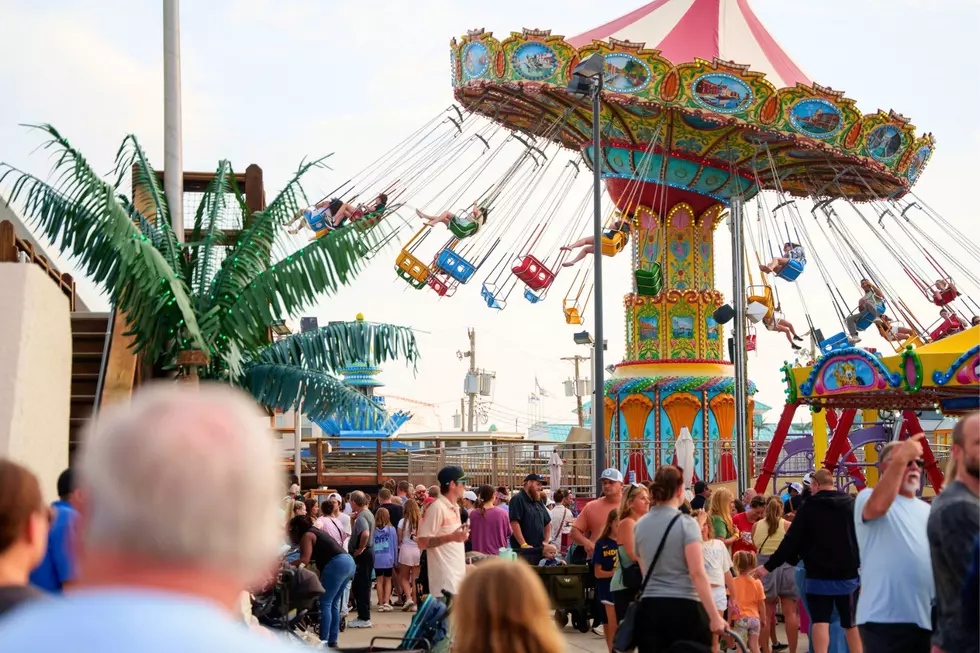
Collingswood voted to go wet after 153 years. These NJ towns are still dry.
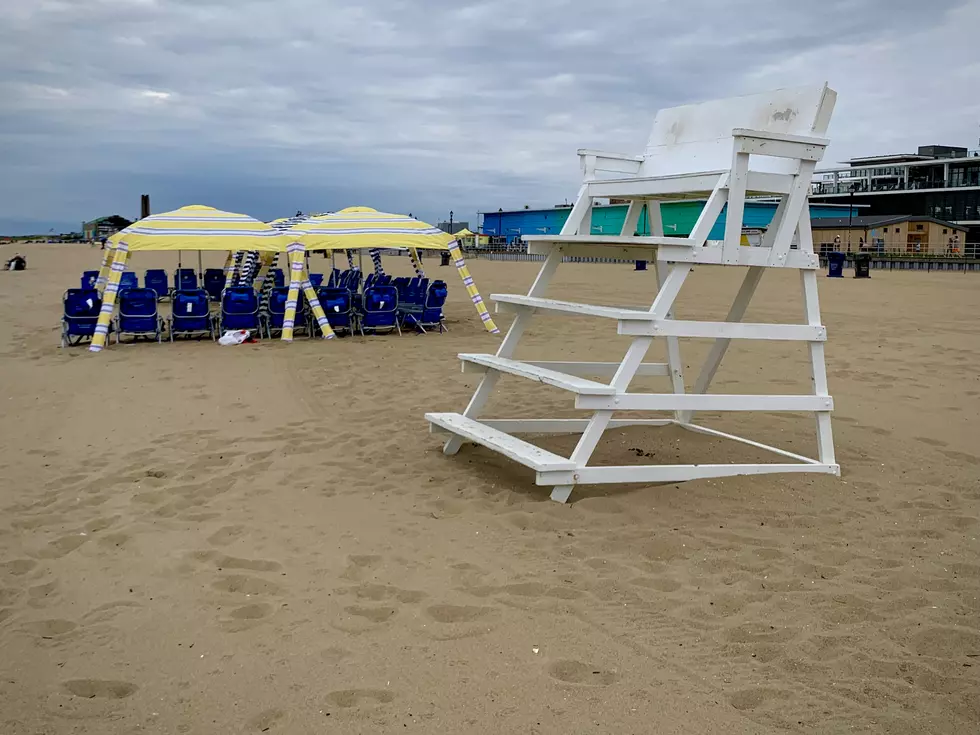
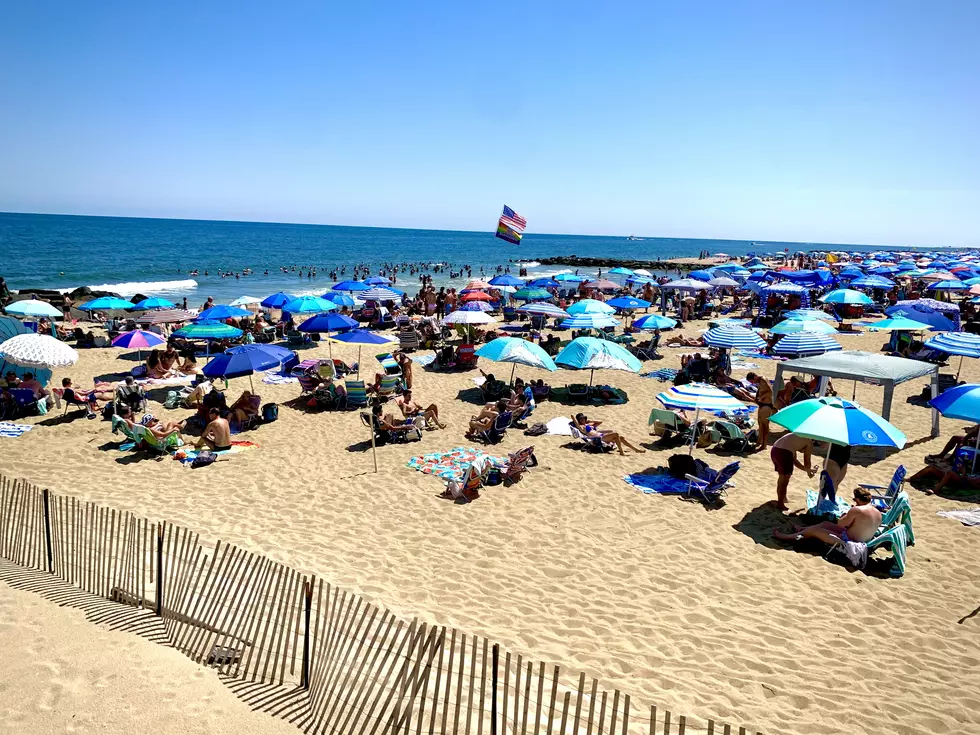
I’d just turned 18 in 1980 when I found out Ocean City was a dry town. New Jersey was raising its drinking age that year, but I was grandfathered in under the old law, so I was legal.
I’d never given it a thought. I went over to visit a friend and suggested we go to a bar. He looked at me like I had two heads.
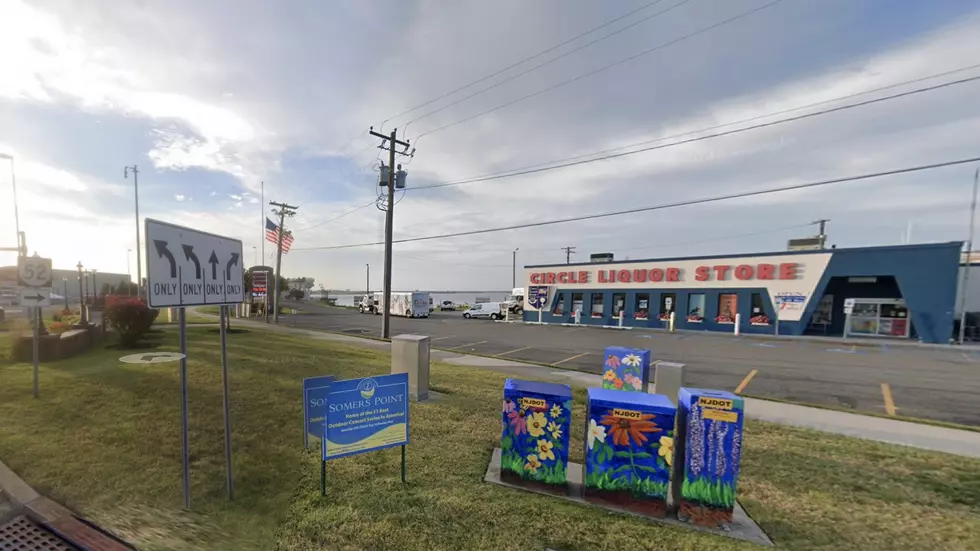
If we wanted a drink, he said, we’d have to drive over to Somers Point or Marmora, or down to Sea Isle.
That’s when it clicked. All those bars and restaurants clustered just over the bridges at the ends of 9th Street and 34th Street weren’t there by accident.
A town founded on faith
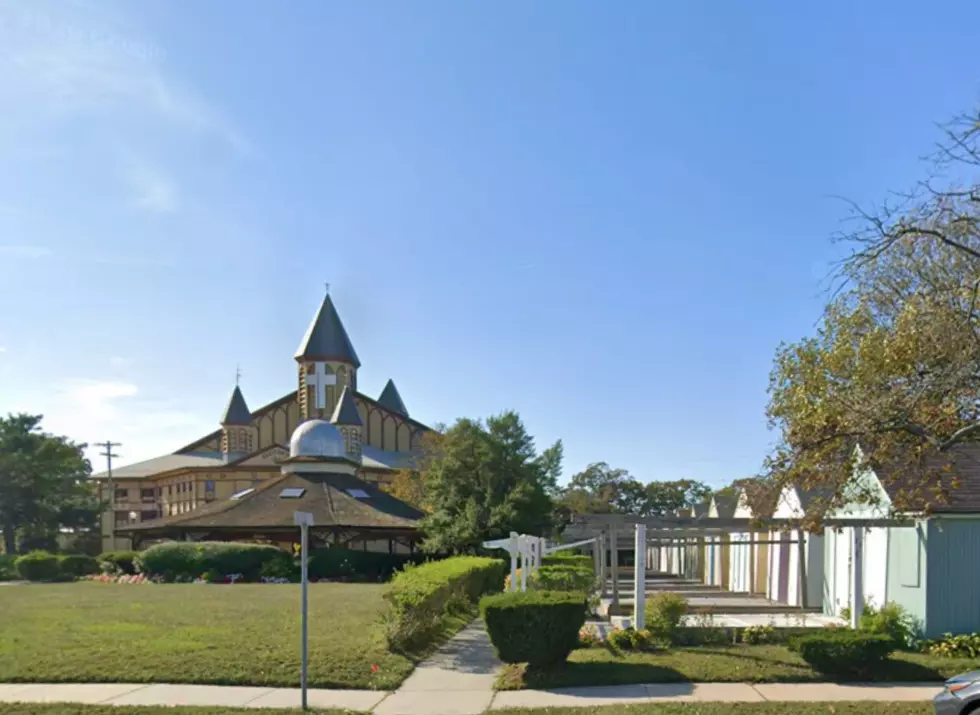
I later learned why. Ocean City was founded in 1879 by four Methodist ministers, three of them named Lake, who wanted a Christian retreat and camp meeting “on the order of Ocean Grove,” according to the City of Ocean City.
Nearly 150 years later, you still can’t buy a drink there.
I also learned Ocean City wasn’t alone. And after Tuesday’s election, the list of New Jersey dry towns got one shorter.
🔗 The election’s over. So why are the campaign signs still up?
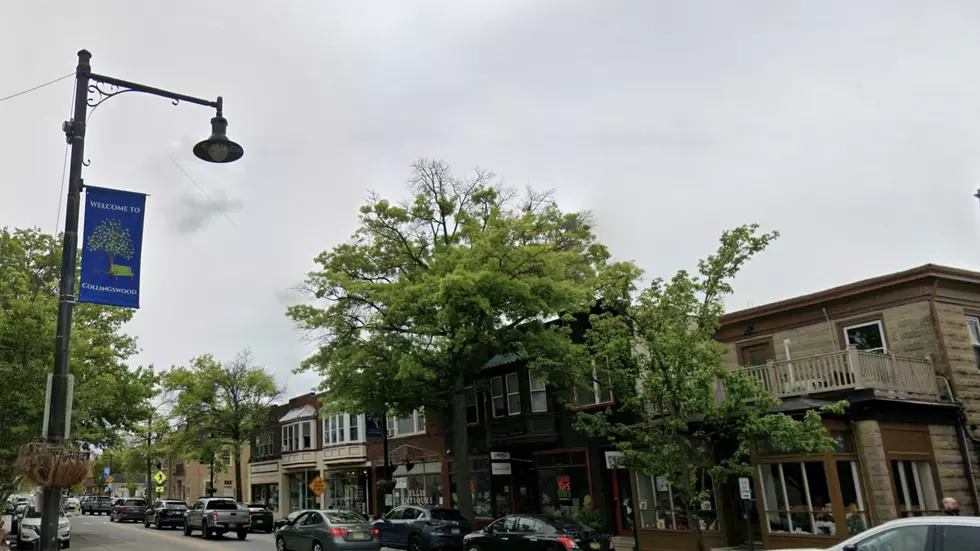
Collingswood goes wet
Collingswood voters approved liquor licenses 3,506 to 2,322, according to unofficial Camden County results reported by PhillyVoice. The borough’s dry status dates back to 1873.
Don’t head over for a beer just yet. The borough’s three commissioners still have to write the ordinances setting hours, fees and how many licenses to issue, according to NJ.com. State population limits allow up to four bar or restaurant licenses and one liquor store license for a town Collingswood’s size.
It’s the second Camden County town to go wet in two years. Haddon Heights voters ended a 120-year ban in 2024, and the borough held its first liquor license auction in September with a $200,000 minimum bid, according to PhillyVoice.
Who’s still dry?
About 30 New Jersey towns still don’t allow liquor licenses, most of them in South Jersey, according to PhillyVoice. Some of the best known:
- Ocean City: “America’s Greatest Family Resort” has stayed dry since 1879.
- Ocean Grove: The Methodist camp meeting town in Neptune Township that inspired Ocean City.
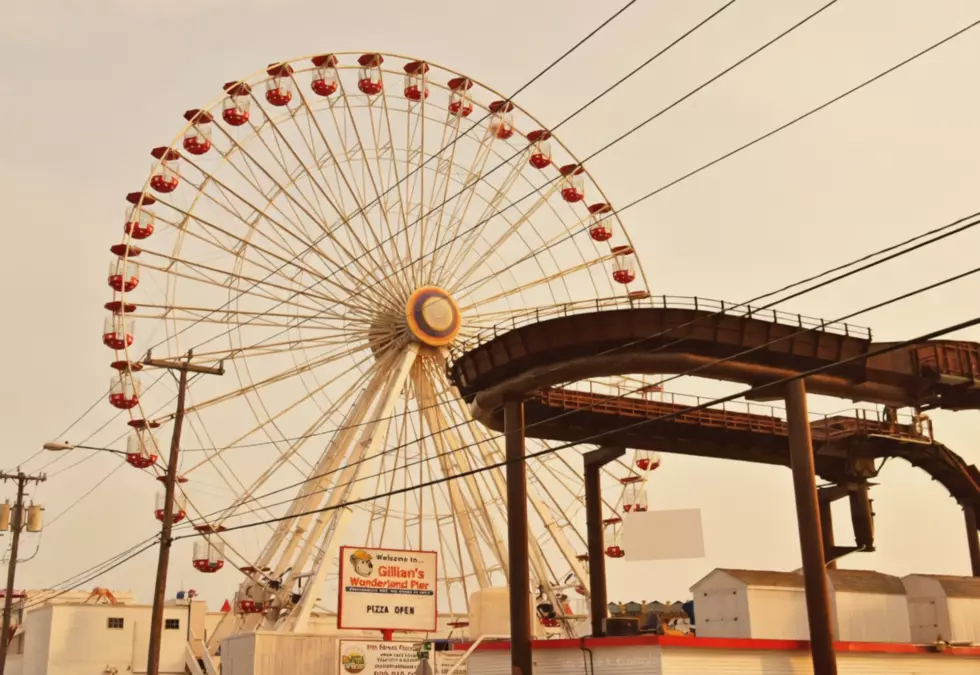
- Wildwood Crest: I vacation there, and if you want a drink, you head down to Diamond Beach or up to Wildwood. Same deal as Ocean City: dry town, wet neighbors.
- Haddonfield: Officially dry, but it allows BYOB and has brewpubs, according to the Philadelphia Inquirer.
- Audubon Park: Collingswood’s Camden County neighbor is still dry, according to PhillyVoice.
The list has been shrinking for a while. Moorestown voters approved liquor licenses for restaurants in 2011, according to the Inquirer. Pitman, which started as a Methodist retreat, sold its first liquor license in 2018 after nearly a century as a dry town, according to Lifestyles Magazine.
Dry doesn’t mean alcohol-free
A dry town can’t stop you from having a drink. It just can’t license anyone to sell you one.
Many dry towns allow BYOB. And because breweries and wineries are licensed by the state, not the town, they can operate in dry towns, too. Collingswood has had Devil’s Creek Brewery since 2016, according to NJ.com.
The bridge still matters
As for Ocean City, I don’t see it changing anytime soon. And I kind of like that.
For nearly 150 years, it’s built its whole identity on being the family resort. And as Somers Point and Marmora can tell you, that’s been good business for the towns just over the bridge.
The thoughts and opinions in this story are those of New Jersey 101.5 weekend host Eric “EJ” Johnson.
NJ’s dry towns: No stores to buy wine, beer or booze
Gallery Credit: Erin Vogt
More From New Jersey 101.5 FM