
NJ group home residents deserve better protection
For thousands of New Jersey families caring for children and adults with intellectual and developmental disabilities, there is a question that never really goes away: Who will protect my child when I’m not there?
That question is at the heart of the renewed effort to pass Billy Cray’s Law, legislation designed to increase transparency and accountability inside group homes serving some of New Jersey’s most vulnerable residents.
The legislation is named for William “Billy” Cray, a 33-year-old man with developmental disabilities who was found dead in the bedroom closet of his Somers Point group home in August 2017.
Billy Cray’s Law would require certain licensed group homes to install video monitoring in common areas when the residents required under the legislation consent.
Under the legislation discussed by lawmakers this month, the cameras would record video rather than audio; recordings would generally have to be retained for at least 90 days, and residents or their guardians could request access to footage.

Every parent wants to know their child is safe
The idea is pretty straightforward: when an unexplained injury, allegation of neglect or other serious incident occurs, families and investigators should have better evidence about what actually happened.
That matters because many people with significant developmental disabilities cannot clearly communicate what happened to them.
Parents have testified about unexplained injuries and their frustration trying to reconstruct events after the fact.
Cameras could provide evidence that protects residents while also protecting responsible caregivers from accusations that aren't supported by the facts.
We've certainly seen this play out with police body cameras.
The fight goes far beyond video cameras
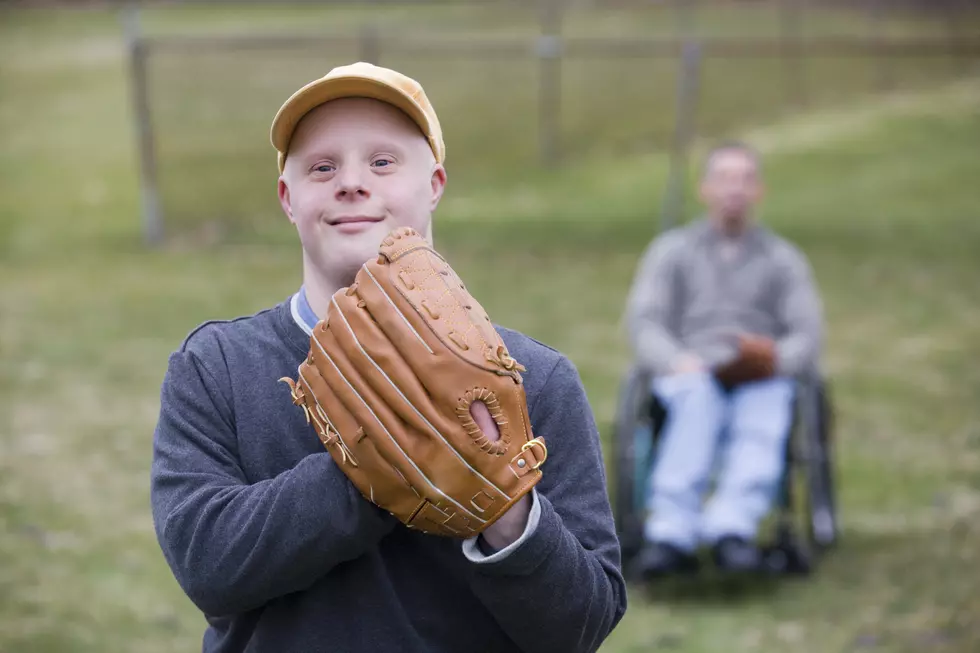
The struggle goes far beyond one piece of legislation. Families raising children with significant disabilities often spend years navigating therapies, schools, medical care, state agencies and support programs.
When those children become adults, parents face an entirely new challenge: finding safe housing and reliable long-term care while confronting the reality that they will not always be there to personally supervise it.
Staffing is another serious problem.
Group-home employees can be responsible for medications, bathing, transportation, behavioral plans and other complex care, while providers have struggled with low wages, turnover and vacancies.
Critics of the camera legislation argue that resources should also be directed toward recruiting, training and retaining better caregivers.
But it's a shallow argument. Why would the installation of cameras be mutually exclusive?
As far as privacy concerns, disability rights advocates and group-home providers have argued that these residences are people's homes, not institutions, and residents retain the same fundamental right to privacy as anyone else.
This legislation addresses that concern through consent requirements and by limiting surveillance in common areas.
Earlier this month, parents and advocates spent nearly three hours testifying before the Assembly Health Infrastructure Committee.
Now supporters are organizing a rally to keep attention on Billy Cray’s Law and the broader problems facing New Jersey families with loved ones who have intellectual and developmental disabilities.
This isn't simply a debate about cameras.
It's about whether families can trust the system caring for their sons and daughters.
It's about making sure allegations of abuse or neglect can be properly investigated.
And it's about giving parents some peace of mind when they entrust the person they love most to someone else's care.
Billy Cray’s story began as one family's tragedy.
Nine years later, his name remains attached to a larger fight over how New Jersey protects people who may not always be able to protect themselves.
Most visited restaurants and diners in Monmouth County, NJ
Gallery Credit: Rick Rickman
The post above reflects the thoughts and observations of New Jersey 101.5 talk show host Bill Spadea. Any opinions expressed are Bill's own.
FOLLOW BILL: Join the Bill Spadea's New Jersey channel on our Facebook page.
More From New Jersey 101.5 FM