
The 1880 Mays Landing train wreck: NJ’s forgotten rail disaster
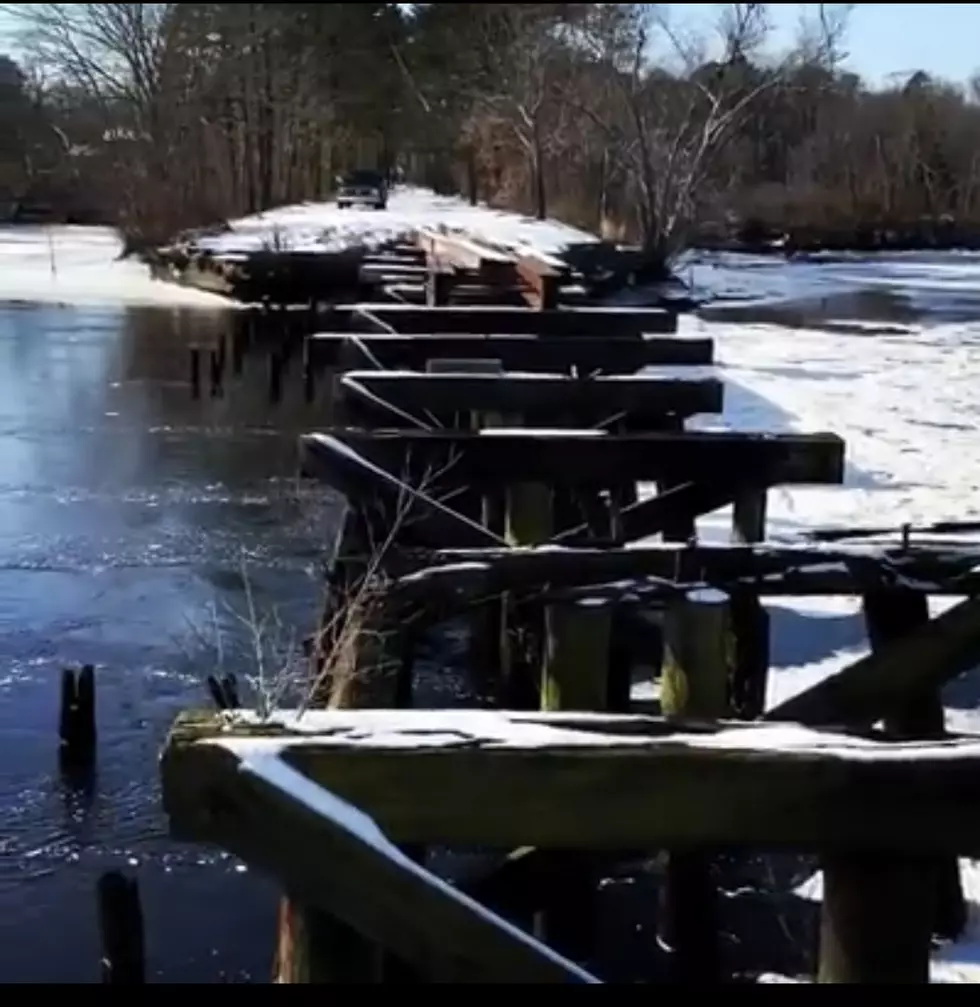
I grew up in Mays Landing in Hamilton Township Atlantic County - a few hundred yards from the Great Egg Harbor River and the old West Jersey Railroad line. In the 1960s I would watch the freight trains roll past at the end of my street. By the early 1970s they were gone. The rails were pulled up, and before long neighbors were hauling away the old ties for landscaping. For years the only real remnant was the wooden span over the river. We just called it the trestle.
SEE ALSO: Lake Lenape to Cape May: Staycation secrets of South Jersey families
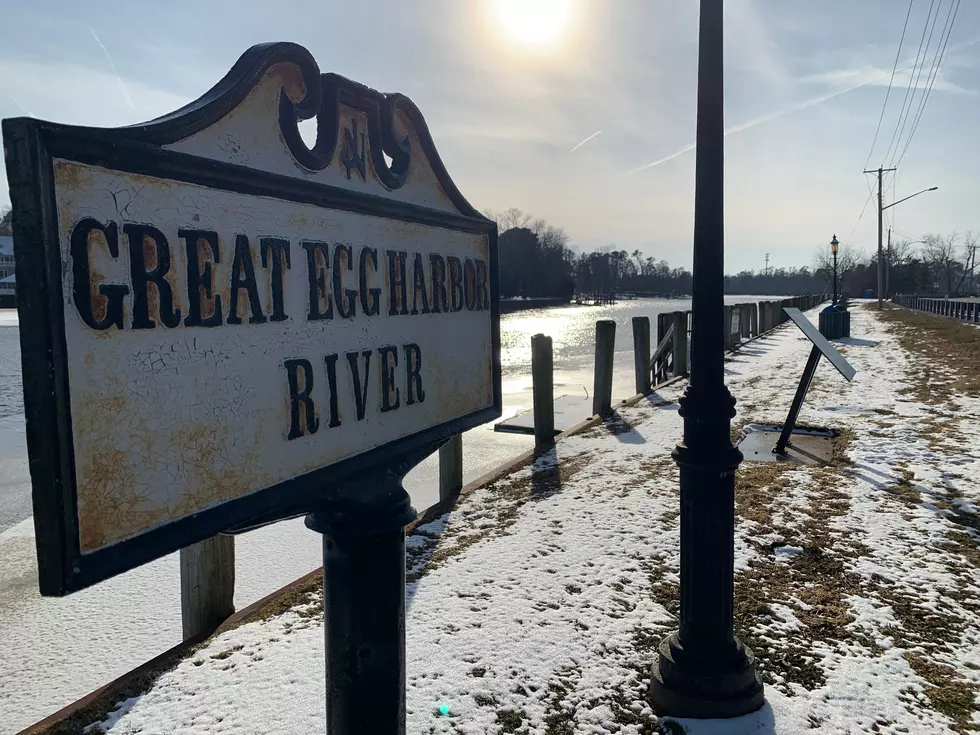
Much to our parents’ frustration, that’s where we spent a lot of time. We walked across the trestle as a shortcut into town and to school. We rode our bikes over it and fished along the riverbank below. Even after the trains stopped running, we played where they used to run. There was something about the trestle that never felt ordinary. As kids we couldn’t explain it. No one ever told us why.
Forgotten New Jersey rail disaster in Mays Landing
It wasn’t until decades later, when local history started surfacing online, that I learned what happened there in 1880. The details come largely from research compiled by the Hamilton Township Historical Society, which has done the work of documenting an event that, for generations, was barely spoken about here.
On August 11, 1880, more than a thousand members of church groups from Philadelphia had taken an excursion to Atlantic City. The West Jersey Railroad split them into two trains for the return trip that evening. A storm was moving in as they headed back north. Near Mays Landing, along the single-track stretch by the river, the first section slowed and had not fully cleared the main line. The second section came up behind it and slammed into the rear cars.
The collision was devastating. Wooden passenger cars telescoped into one another. The locomotive’s boiler exploded, sending scalding steam through the wreckage. In the chaos, some passengers broke windows and jumped into the Great Egg Harbor River to escape. Others were trapped in crushed cars. Around eighty people were killed or injured, a staggering number for a small town like Mays Landing, whose population at the time was only a few hundred.
How the 1880 Great Egg Harbor train wreck unfolded
Residents rushed to help. Townspeople pulled survivors from the water, carried the injured into their homes, and laid out the dead in local buildings. There was no organized emergency response in 1880. The rescue effort depended entirely on ordinary people reacting in the moment.
What made the disaster especially shocking was its scale. In an era before modern rail safety systems, a rear-end collision on a single-track line could turn deadly in seconds. For South Jersey, the 1880 wreck near the river remains one of the region’s most significant 19th-century transportation tragedies.
Why the Mays Landing train crash was barely spoken about
What has always struck me is how quickly the story faded locally. Newspaper coverage at the time appeared largely in papers outside the immediate area. Reports ran in cities farther away, while publications in Atlantic City and Philadelphia were comparatively restrained. The prevailing view among historians is that the railroad had little interest in amplifying a disaster on a line that was still new and heavily marketed. Passenger confidence mattered. A catastrophic rear-end collision did not help business. Over time, the silence settled in.
Growing up in the 60s, 70s, and into the 80s, the 1880 wreck was never mentioned in school. No one talked about it on the block. The trestle was just a leftover piece of railroad infrastructure where kids weren’t supposed to hang out. Yet standing out there, looking down at the river, I always felt that something had happened. Not in a dramatic way. Just a sense that the place carried weight.
Learning the history years later did not create that feeling. It explained it. The trestle at the end of my street was not just where trains once ran and kids once played. It was the site of one of New Jersey’s deadliest rail accidents, a story that sat quietly for nearly a century before finally being told out loud.
NJ town with a strange name and important past
Gallery Credit: Dennis Malloy
More From New Jersey 101.5 FM