
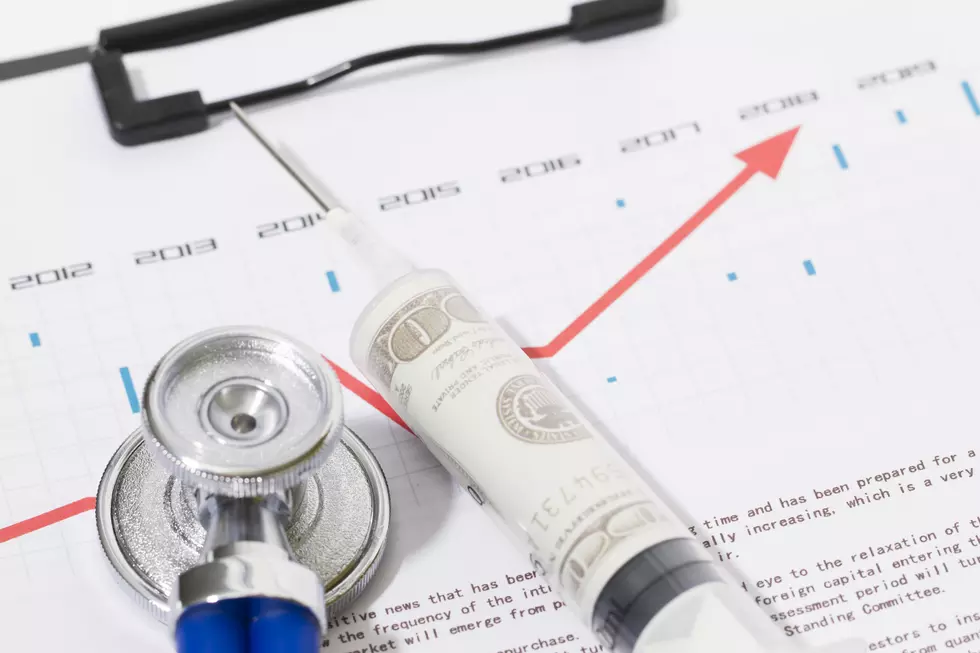
State workers hammered with massive spike in health insurance premiums
💰 Another double-digit hit: New Jersey public employees could see health insurance premiums jump again in 2027, continuing a years-long trend of steep increases.
🏛️ System under strain: Municipalities leaving the state health plan have shrunk the risk pool, driving costs even higher for the workers and towns that remain.
⚠️ Long-term fix still elusive: State leaders are pursuing cost-saving reforms, but acknowledge more significant structural changes are needed to stabilize the plan.
Another round of steep public employee health insurance increases
State actuaries are recommending another year of double-digit premium increases for the State Health Benefits Program, continuing a pattern that has left public workers, local governments and taxpayers bracing for yet another financial hit. Under the proposal, premiums for active local government employees would rise an average of 17.3%, while active state workers would see a 15.1% increase. Some retirees face even steeper hikes.
The latest increases are not an isolated event. They come after several years of significant premium hikes as New Jersey's public employee health plans continue to struggle with rising medical costs, depleted reserves and a shrinking enrollment base.
Increases for retired employees
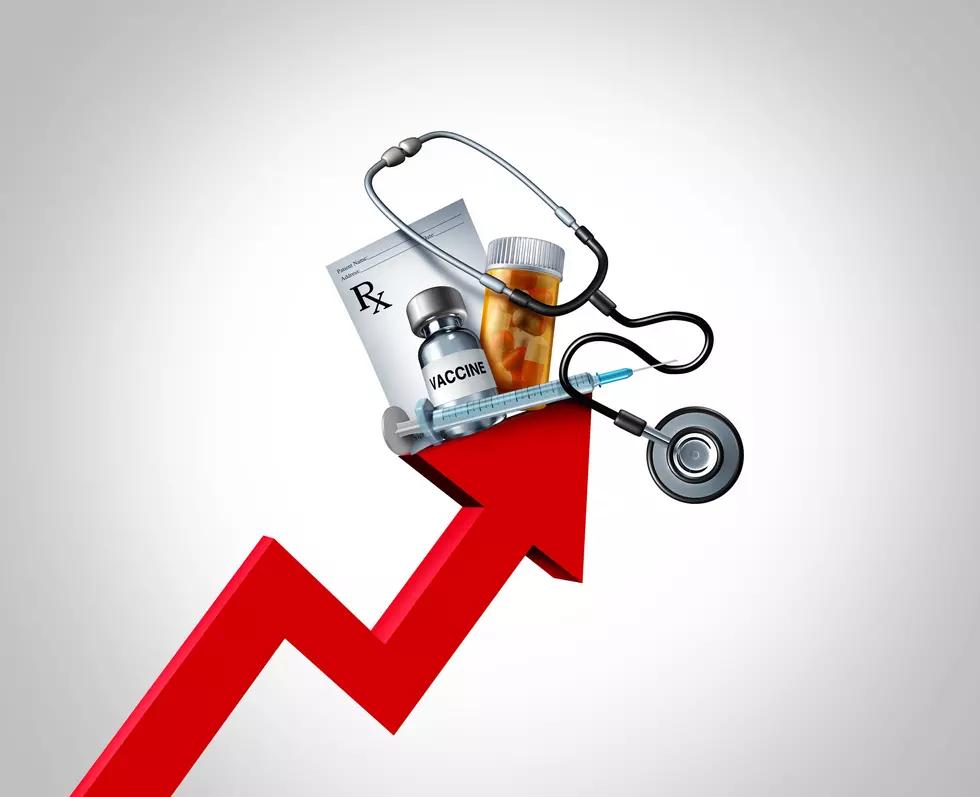
Retired public employees are also feeling the squeeze. Under the proposed rates, many retirees enrolled in the State Health Benefits Program would face premium increases that exceed those for active employees, adding another financial burden for people living on fixed retirement incomes.
For many former teachers, police officers, firefighters and other career public servants, health insurance has become one of the fastest-growing expenses in retirement, eroding pension income that was expected to provide long-term financial security.
The proposed increases continue a trend that has left many retirees paying substantially more for coverage than they did just a few years ago.
Why the state health benefits plan keeps getting more expensive
One of the biggest problems is that many municipalities have left the state-run plan altogether in search of less expensive private insurance options. As younger and healthier groups exit, the remaining pool becomes older and more expensive to insure, forcing premiums even higher for those left behind — a cycle actuaries describe as adverse selection.
The local government plan has also had to borrow money to remain solvent, and part of the proposed premium increases would replenish reserves and repay those loans. State officials have warned for months that the local plan was at risk of entering a financial "death spiral" if broader reforms were not enacted.

Proposed reforms aim to stabilize the system
State officials have already approved changes designed to slow spending, including higher cost-sharing for some services, restrictions on certain benefits, and new high-deductible and tiered-network plans. The recently enacted state budget also calls for additional cost-saving changes intended to reduce plan expenses by roughly $150 million annually once fully implemented.
Still, legislative leaders have acknowledged those steps are only temporary solutions. Without broader structural reforms that stabilize enrollment and control long-term healthcare costs, New Jersey's public employee health plans are likely to remain under significant financial pressure — leaving workers, local governments and taxpayers facing yet another round of difficult choices.
7 things NJ workers deserve for a better work-life balance
Gallery Credit: Mike Brant
Biggest layoffs in New Jersey this year
Gallery Credit: Erin Vogt
NJ towns paying the most taxes for public schools
Gallery Credit: New Jersey 101.5
More From New Jersey 101.5 FM