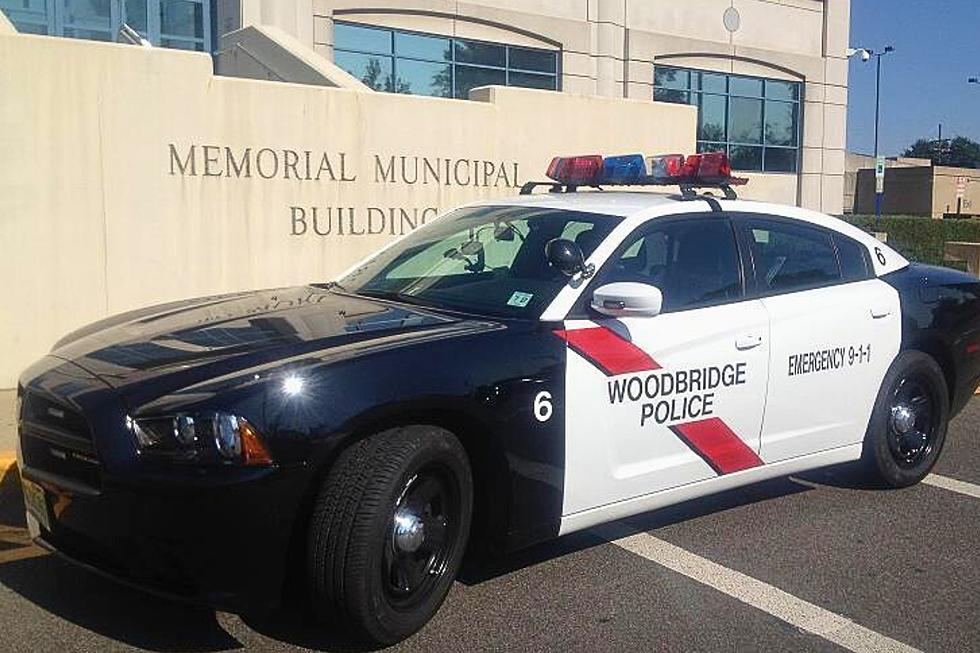

ICE on the rails: Federal agents free to operate on NJ Transit despite Sherrill ban
🚆 Federal agents allowed: ICE can operate on trains, buses, platforms and stations because they are considered public spaces.
🔴 Executive order limits: Gov. Mikie Sherrill’s order banning ICE from state property does not apply to public transit areas open to everyone.
⚖️ Legal fight brewing: The Trump administration is suing New Jersey, claiming the order illegally blocks federal enforcement.
ICE agents can operate on NJ Transit trains, buses and platforms
Immigration enforcement agents cannot be barred from operating on trains, buses or platforms operated by New Jersey Transit, according to the office of New Jersey’s attorney general.
In a statement to NJ.com, officials confirmed that transit trains, stations, platforms and bus terminals are generally considered public spaces. Because those areas are open to the public, agents with U.S. Immigration and Customs Enforcement are permitted to access them, even without a warrant.
The clarification comes as New Jersey implements an executive order signed by Gov. Mikie Sherrill restricting how federal immigration authorities can use and access state-owned property.
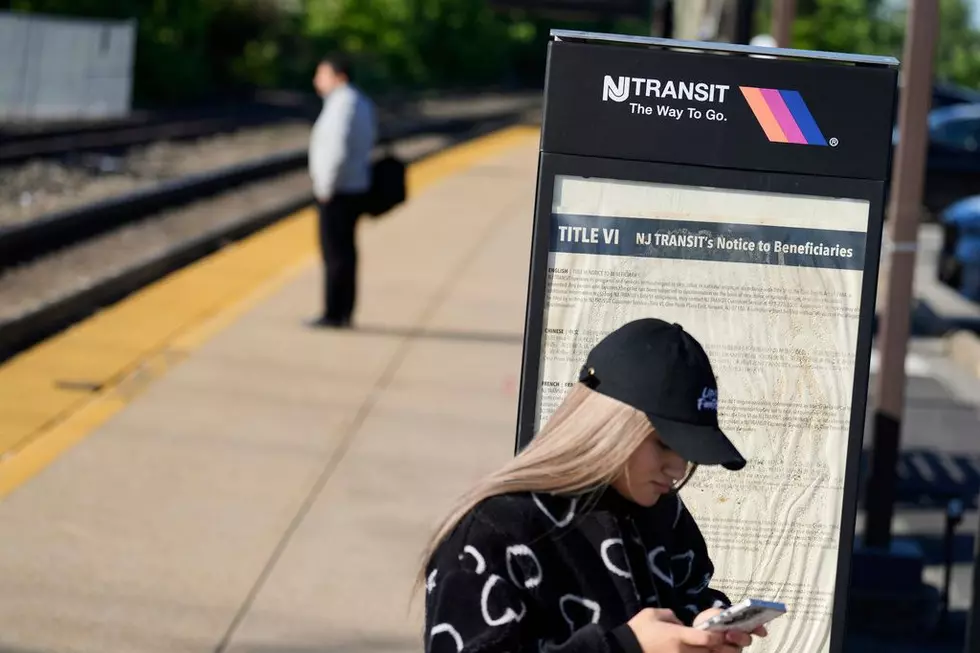
Why the Sherrill executive order doesn’t apply to NJ Transit
One of Sherrill’s first executive orders barred ICE agents from using state-owned property and facilities as staging areas for immigration enforcement operations.
The policy was designed to limit federal agents from setting up enforcement activity on government property controlled by the state. Several municipalities also enacted similar ban local bans.
However, Sherrill's order does not apply to areas that are generally open to the public, such as transit platforms, stations, trains and buses. Because those spaces function as public thoroughfares rather than restricted government property, ICE agents cannot be excluded from them.
That distinction means federal immigration authorities remain free to move through New Jersey’s sprawling transit network as part of their enforcement efforts.
While ICE agents can access these areas, under Sherrill's order they still cannot use stations or platforms as specific staging areas or for the processing of individuals they have detained.
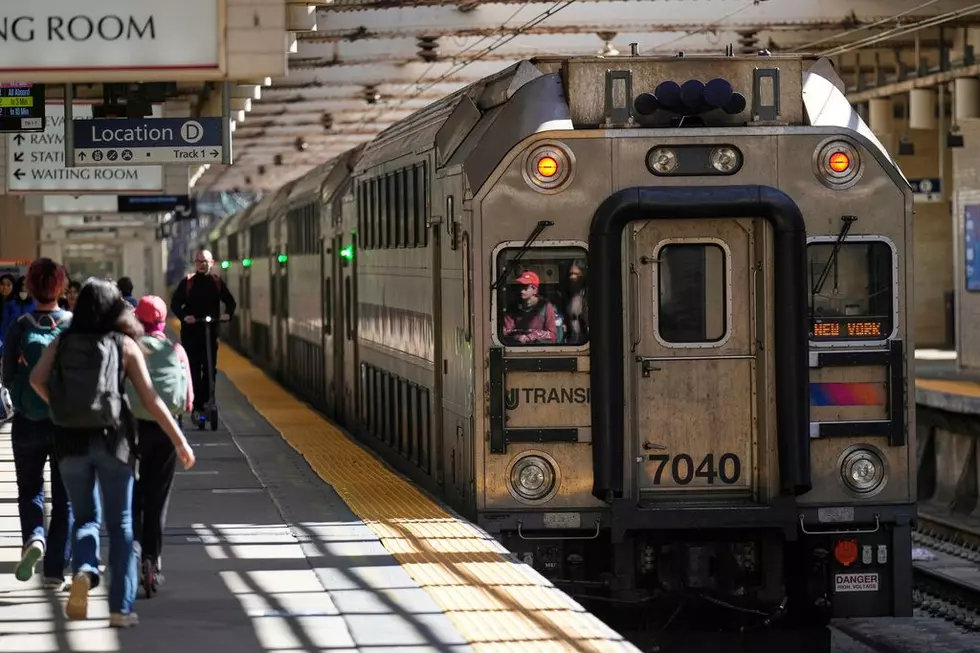
NJ Transit drafting protocols for employees
Leadership at New Jersey Transit says the agency is now working on clear guidelines for how its employees should respond if federal agents conduct enforcement activity on transit property.
CEO Kris Kolluri said the agency is finalizing protocols that will outline how workers should interact with ICE personnel while maintaining normal transit operations.
Once finalized, those procedures will be communicated to both employees and the public.
Federal lawsuit escalates immigration fight
Sherrill's controversial executive order has already triggered a legal battle between New Jersey and the federal government.
The administration of President Donald Trump has filed a lawsuit challenging Sherrill’s executive order. The Justice Department is suing New Jersey, and Sherrill, arguing she is unlawfully interfering with federal immigration enforcement by improperly blocking federal agents from carrying out their duties.
As the legal wrangling continues, the practical impact for commuters is that ICE agents cannot be barred from trains, buses, platforms or stations operated by New Jersey Transit because those locations are considered public spaces.
12 ways New Jersey is making it harder for ICE to operate
Gallery Credit: Erin Vogt
Key points from Gov. Mikie Sherril's first N.J. budget
- No new taxes on individuals in the proposed state budget
- $2.6B in budget solutions to close the deficit
- Nearly $2B in spending cuts across state government
- $700M in new revenue from closing corporate tax loopholes
- Plan aims to balance the budget structurally by 2028
Gallery Credit: New Jersey 101.5
More From New Jersey 101.5 FM