

Shocking report warns your NJ home could be underwater by 2050
🌊 Millions of homes and critical infrastructure could flood during major storms by 2050.
💰 Experts say investing in New Jersey now could prevent billions in future damage.
⚠️ A new tool is available for New Jersey homeowners to check their flood risk.
A new report finds that soon, millions of New Jersey homes and a third of the state's public infrastructure could be underwater with every major storm.
NJ flood risk 2050: schools and hospitals in danger
That includes 524 schools, 119 libraries, 49 hospitals, and 24 airport facilities at risk of flooding by 2050, according to Rebuild by Design.
Flooding has already cost New Jersey billions. Between 2019 and 2025, the National Flood Insurance Program paid out $6.5 billion to New Jersey residents and businesses. Ocean County alone accounts for $2.6 billion in claims, according to the report.

And flash flooding has already been fatal in New Jersey. Last year, two people in Plainfield were killed when the car they were in was swept away into Cedar Brook during a heavy rainstorm. In 2021, flooding caused by Hurricane Ida killed 30 people.
The solution isn't a mass exodus from the state, says Rebuild by Design Director Amy Chester.
"We're not looking for people to move, whether that's down their block or move to another place in New Jersey, or out of New Jersey. We actually want people to stay," said Chester. But she says the state must reconsider how it builds new homes and communities.
Read More: New ABC test rules for New Jersey gig workers explained
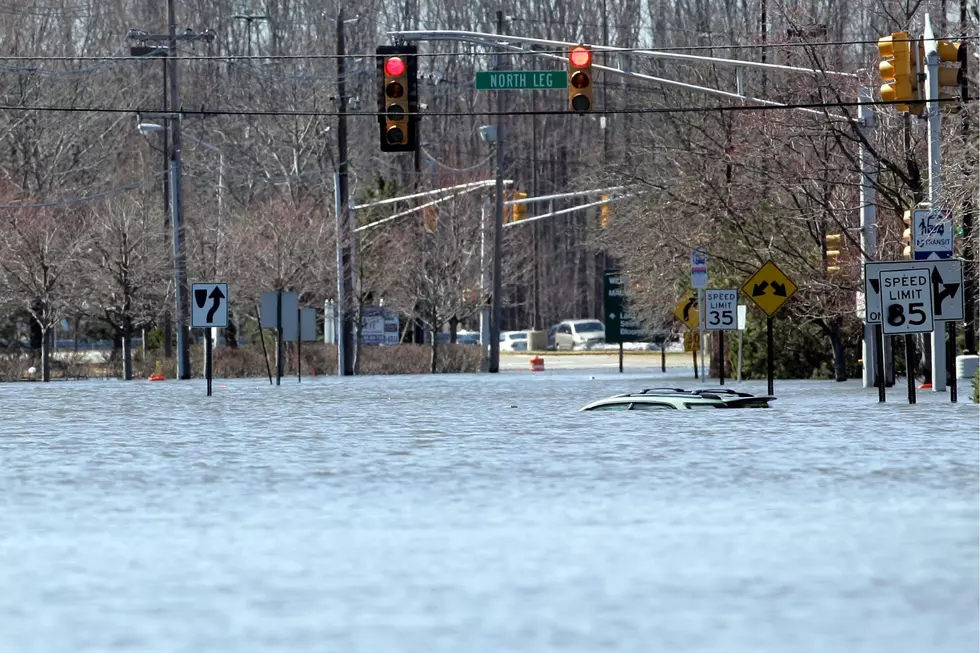
Why New Jersey flooding is getting worse
Overdevelopment has been blamed for many things in New Jersey, including changes in the character of small towns, overcrowded highways and schools, and even an aggressive gang of wild turkeys attacking Ocean County residents.
Building too much too fast is also a major factor in why New Jersey is flooding more often, according to Rebuild by Design.
"We've built more and more and more. Our green spaces have become concrete. When water comes, it has to go somewhere, and it travels to the lowest place," said Chester. That somewhere could be your street, your basement, or the highway.
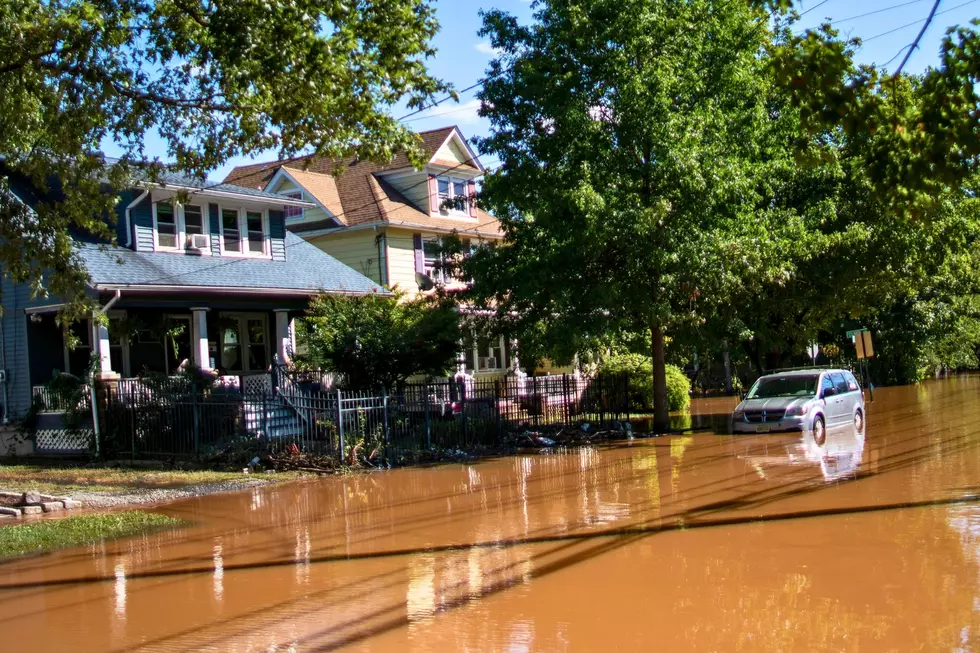
Cost to fix NJ flooding vs cost of doing nothing
Unfortunately, the solution isn't cheap. New Jersey needs to invest at least $3 billion to prevent a crisis, according to the report. But that’s still far less than the $6.5 billion already paid out in claims. And every $1 spent now could prevent $13 in future damage.
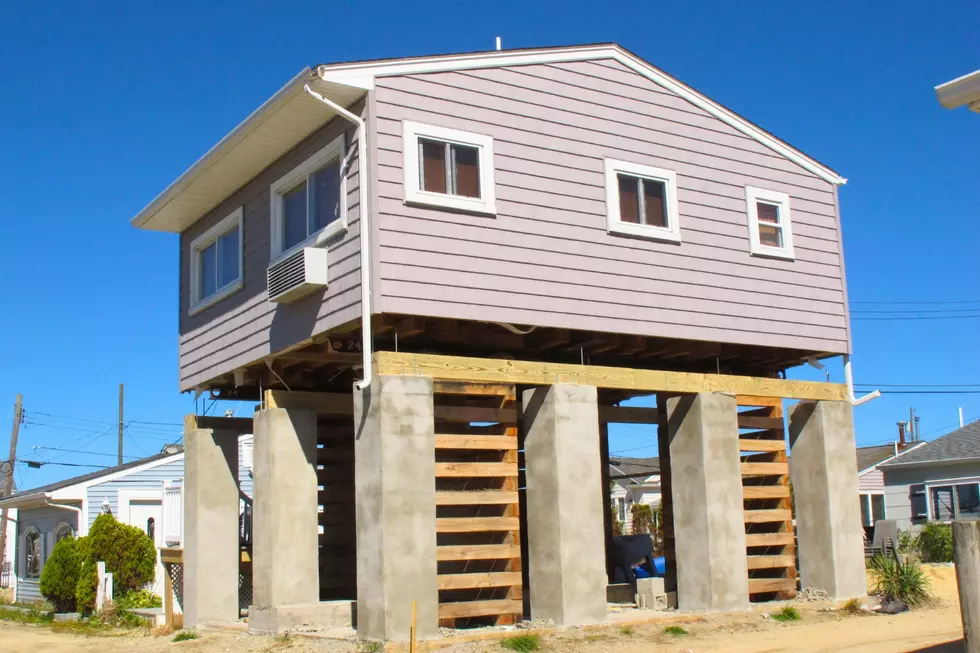
Elevating homes is one option. Lifting a home in Ocean County could cost between $40,000 and $150,000, depending on the property. Starting this summer, new homes in flood zones along the Jersey Shore must be built four feet higher under new state rules taking effect July 20.
Rutgers University environmental scientists also have ideas for making New Jersey more resilient to flooding. They spent eight years researching strategies to turn flood-prone areas into resilient landscapes using native plants.
New Jersey can also learn from Hoboken, which took action after Superstorm Sandy put 80% of the area underwater. Former Mayor Dawn Zimmer said the city looked like a "bathtub."
Hoboken built several parks that act as berms. The most effective is the Northwest ResilienCity Park, which has an underground tank to store 2 million gallons of rainwater. It's reduced flooding in that section of Hoboken by 90%, according to the report.
"There is no point in fortifying our fire station if the whole city is flooded... we need a solution that protects the whole community," Zimmer said at the time.
READ MORE: Non-citizens charged with illegal voting in New Jersey
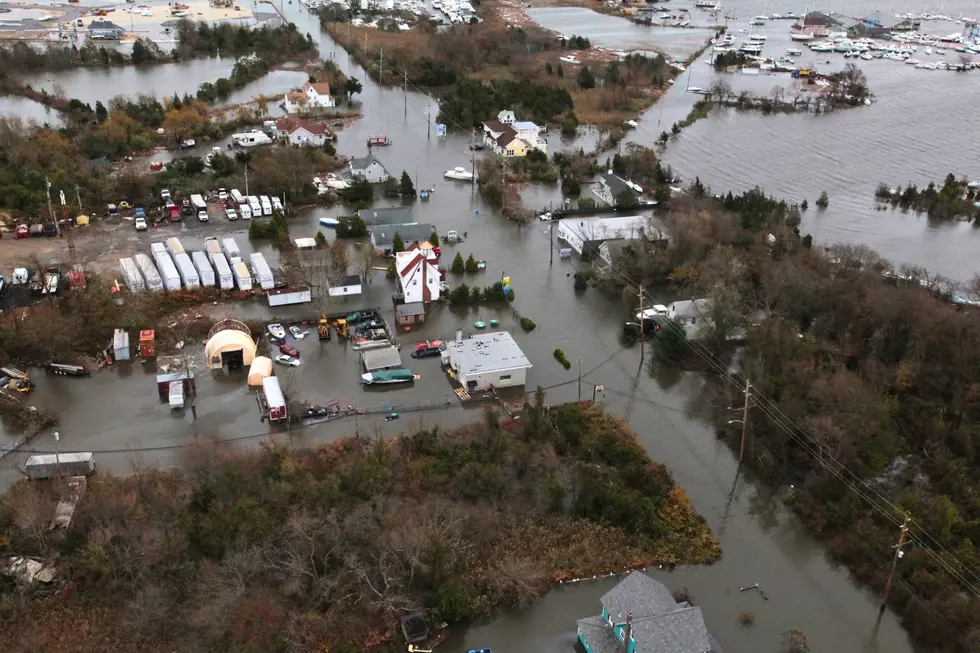
Check your home's risk of becoming a flood zone
Overall, the counties that will face the highest overall risk by 2050 will be Cape May County and Hudson County. More than half of their public assets will be in flood zones, the report said. Meantime, Essex County is expected to see the fastest rate of risk increase, with its exposure doubling.
The report includes a new tool that allows each New Jersey resident to search their community for flood risk.
Click here and then enter an address in the appropriate search box. There's also an option to search by county.
Report a correction 👈 | 👉 Contact our newsroom
LOOK: The most expensive weather and climate disasters in recent decades
Gallery Credit: KATELYN LEBOFF
Your hurricane emergency kit: what to pack
Gallery Credit: Sophia Laico
More From New Jersey 101.5 FM