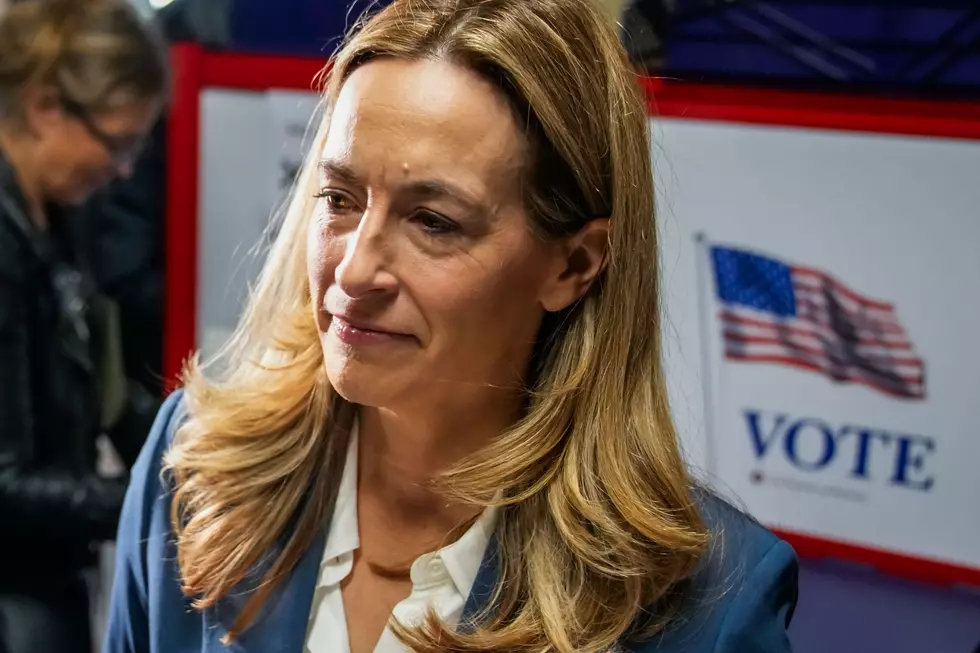

Resign or not? NJ government mail blunder hits thousands of public workers
Thousands of NJ State Workers Asked to Resign — Here’s What’s Really Going On
When New Jersey Gov.-elect Mikie Sherrill’s transition team asked for resignation letters from thousands of state employees this week, it set off alarms across Trenton and state agencies. For many workers, the word “resign” triggered images of coming layoffs and uncertainty — even though the situation turns out to be more procedural than punitive.
What “Nonclassified” State Jobs Actually Mean
New Jersey has about 64,000 state employees, and roughly 13,700 of them are in unclassified (also called “non-civil service”) positions — roles that aren’t part of the traditional classified civil service system.
A lot of these unclassified jobs go to committed public servants who genuinely do essential work. Historically, that bucket also includes patronage positions — roles filled at the pleasure of the governor and his/her allies and often tied to political connections. That’s why every new governor typically asks for resignation letters from unclassified employees — it gives the incoming administration flexibility to bring in its own team without triggering civil service protections.
A Standard Transition Move — With an Embarrassing Mix-Up
So why did this routine transition request send shockwaves?
The heart of the issue isn’t that Sherrill is firing loyal career workers — it’s that the request went out to employees who shouldn’t have received it in the first place.
A Sherrill spokesman blamed "bad information" they received from the outgoing Murphy administration, which mistakenly applied the resignation letter request to career workers with civil service protections who can’t legally be forced to resign.
Sherrill’s transition team stressed that the request only applies to political appointees and that it doesn’t reflect a plan for mass layoffs. They say they are working with agency leaders to correct the clerical errors and reassure the workforce.
Why This Matters in New Jersey Politics
This moment highlights several perennial New Jersey workforce dynamics:
❎ Incoming governors always ask unclassified appointees for resignation letters — it’s common practice.
❎ The state’s large unclassified roster means that administrative reshuffles can accidentally snag dedicated career professionals.
❎ Past governors have targeted unclassified roles when looking to trim the workforce without violating union contracts because classified civil servants have strong protections. (That’s one reason unclassified jobs are sometimes seen as patronage slots.)
For the thousands of public servants involved, this brief scare may feel personal — but in the larger arc of New Jersey politics, it’s a reminder of how messy routine transitions can feel on the ground, especially in a workforce as big and diverse as New Jersey’s.
Biggest NJ company layoffs announced in 2025
Gallery Credit: Erin Vogt
The 99 top paying jobs in New Jersey
More From New Jersey 101.5 FM