5 NJ towns started as Methodist camps — I only knew 3
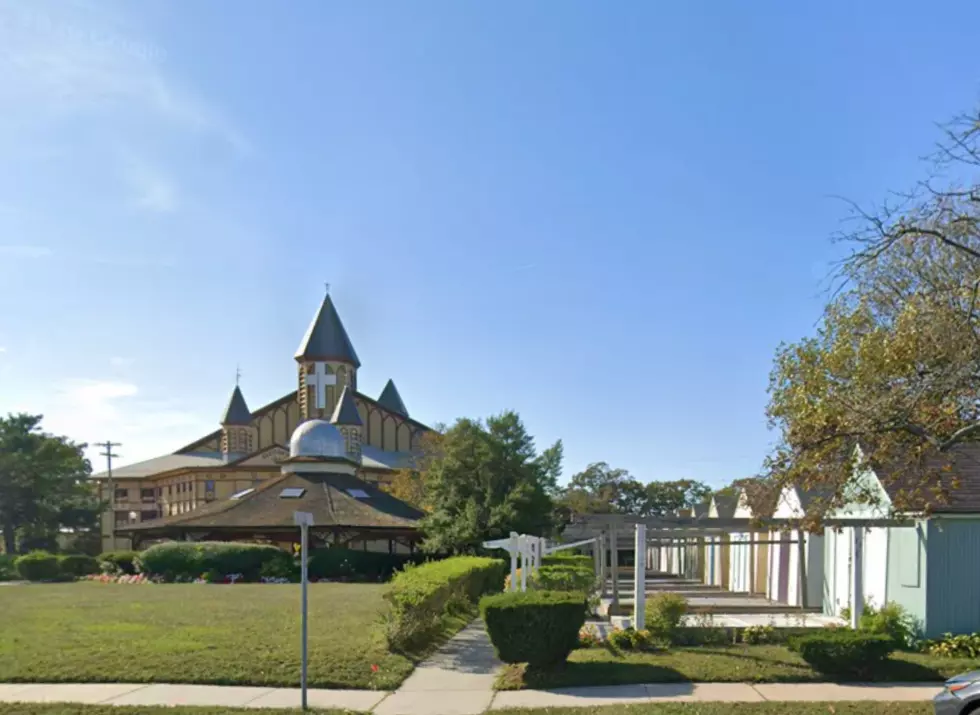
Back in the early 2000's I spent a few summer nights at the Great Auditorium listening to Big Joe Henry host classic oldies acts, enough evenings walking what I still think is the best boardwalk in the state in Ocean City, and enough Christmases wandering the wheel-shaped grove in the middle of Pitman, where my brother and his family have lived for years, to think I knew these towns. What I didn't know, until I started pulling this thread, is that all three of them started as the exact same thing.
SEE ALSO: 'The Four Seasons' season 2 filmed down the shore — here's where

Ocean Grove was the blueprint
It began in 1869, when Methodist camp meetings — religious revivals built around outdoor preaching and communal worship — were looking for a permanent home instead of a traveling tent circuit. Organizers chose a stretch of Jersey Shore that came to be called "God's Square Mile." At its peak, 660 tents stood on the grounds. Ocean Grove still runs under the Camp Meeting Association today, still forbids alcohol sales, and still fills the Great Auditorium with the kind of programming that draws crowds in off the boardwalk, which is exactly how I ended up there listening to Big Joe Henry more times than I can count. It even landed a modern moment this year, showing up as a filming location in the second season of Netflix's "Four Seasons."

Ocean City followed the same script — bars included, or rather, not
A decade later, in 1879, four Methodist ministers — the Lake brothers and William Burrell — bought what was then known as Peck's Beach with the same goal: a Christian seaside resort built "on the order of Ocean Grove." They prayed under a cedar tree for guidance before founding it. That tree still exists, preserved inside the Ocean City Tabernacle. The town's dry status, no bars, no package stores, traces directly back to that founding. I've never minded it much. If I want a beer, Somers Point is a short ride away and has never been shy about it.
Pitman's grove is the clearest living fingerprint of all of them
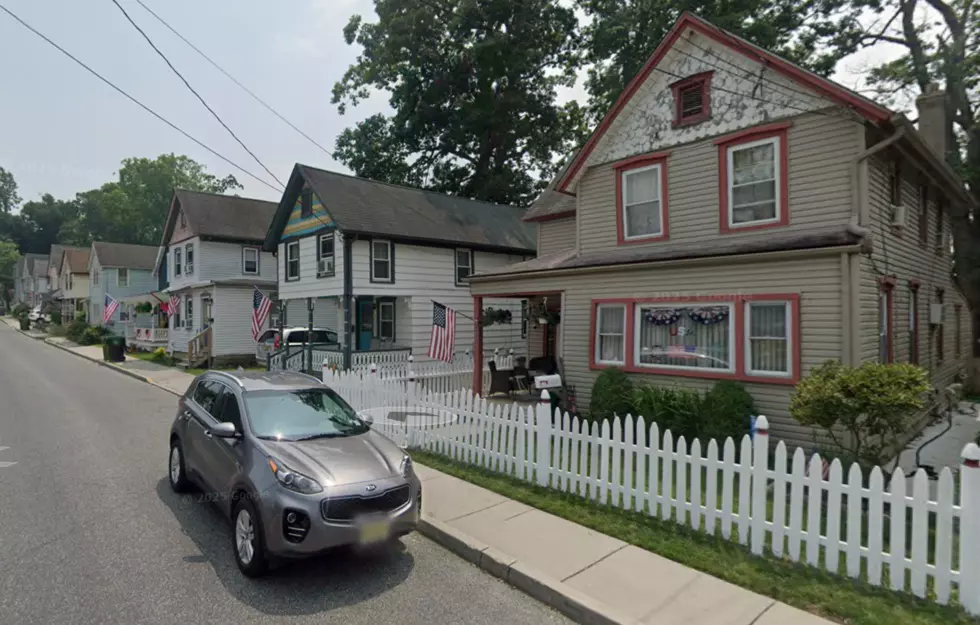
Pitman was founded two years before Ocean City, in 1871, as its own South Jersey Methodist camp meeting resort. What survives today is the section still called the Grove: twelve avenues, each named for a disciple, arranged in a wheel radiating out from the old tabernacle grounds. Walk it at Christmas, when the Hagerty family's homemade light display takes over a full block of the neighborhood, animatronic figures and all, and it genuinely does feel like stepping into a different decade. The whole layout is on the National Register of Historic Places for exactly that reason. It's not a recreation. It's the actual bones of an 1870s religious resort, still standing.
The two I'd never heard of
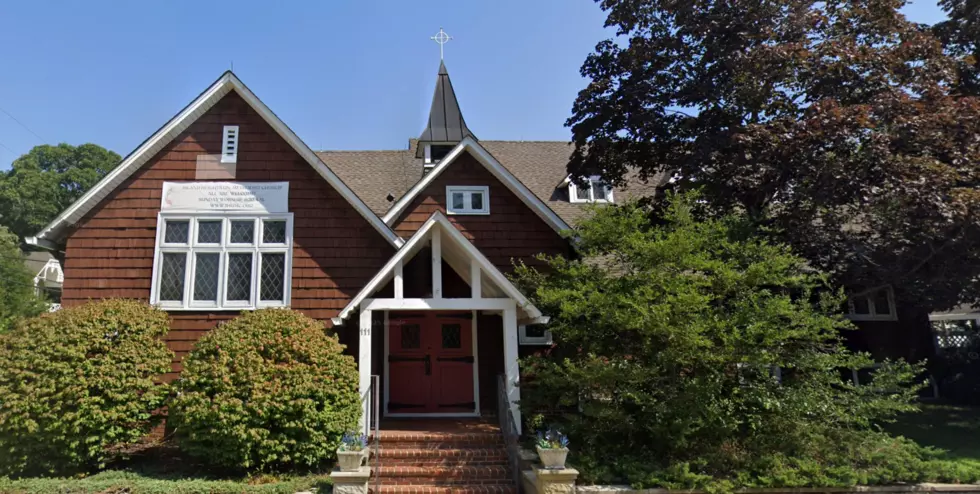
Island Heights, up on the Toms River in Ocean County, was founded in 1878 under a Methodist elder who wrote liquor-prohibition clauses directly into the original property deeds, some of which reportedly still carry that language. And South Seaville, tucked inland near Sea Isle City, is actually the oldest of the bunch, dating to 1863, and it's still an active seasonal camp meeting community today, not just a historic footnote.
Asbury Park almost counts, but not quite
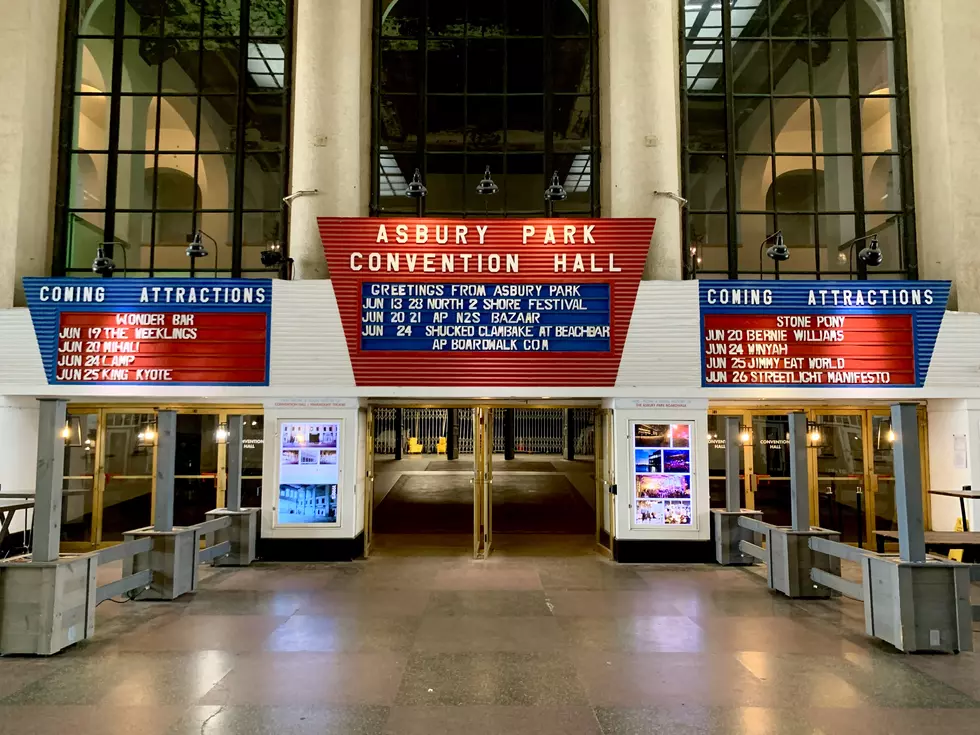
There's one more name that belongs in this conversation, even if it doesn't belong on the list. James Bradley founded Asbury Park in 1871, right after visiting Ocean Grove and converting to Methodism himself. He named the town after Francis Asbury, the first Methodist bishop in America, laid out streets named for Methodist clergy, and wrote liquor prohibition into the deeds as a temperance resort. But Asbury Park was never a camp meeting association town. There was no tent city, no religious board actually running it, the way there was in Ocean Grove, Pitman, Island Heights, and South Seaville. Bradley built it as a private, secular real estate venture modeled on the town next door, borrowing the aesthetic and the values without the religious structure underneath. Ocean Grove birthed a genre. Asbury Park just borrowed the blueprint.
Five towns, one movement, all born within about sixteen years of each other, plus a sixth that owes them all a debt without quite belonging to the family. I'd spent decades in three of them without ever connecting the dots. That's the kind of New Jersey history I like best, the kind that's been standing in plain sight the whole time, waiting for someone to ask the right question.
EJ takes a walk in Asbury Park
Gallery Credit: Eric "EJ" Johnson
More From New Jersey 101.5 FM