Canadian wildfires are filling NJ skies — here’s what’s really happening
Canada is experiencing another active wildfire season in 2026.
As of mid-July, more than 850 fires are burning across provinces, including Alberta, British Columbia, Saskatchewan, and Ontario, with significant acreage affected.
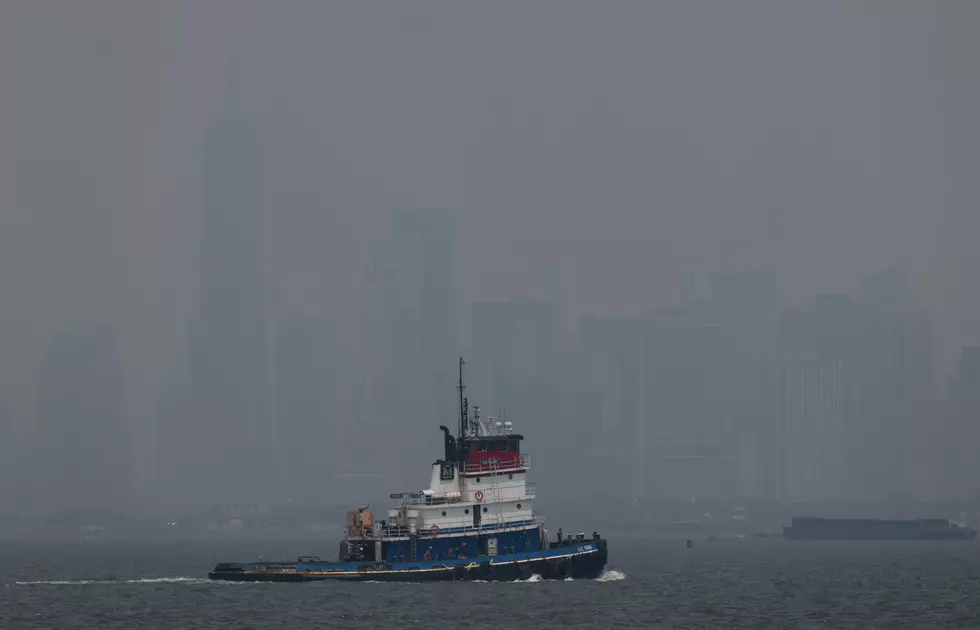
Smoke from the fires doesn't follow border-crossing rules so it's pouring over the United States, prompting air quality alerts in the Midwest, Northeast, and Great Lakes regions.
You can see and smell it across the Garden State as well.

Natural Cycles and History
Wildfires have shaped Canada’s vast forests for tens of thousands of years.
They are a natural occurrence that clears deadwood and underbrush, returns nutrients to the soil, and opens space for new growth.
Many tree species, such as lodgepole pine, rely on fire to release seeds and regenerate stronger, healthier forests. This cycle of burn and rebirth has been part of the ecosystem long before humans started panicking over climate change.
Past seasons have varied in intensity due to natural climate fluctuations, periods of hotter, drier weather interspersed with wetter years.
Lightning ignites roughly half of all fires and accounts for the vast majority of land burned, while human causes (campfires, equipment, arson) are absolutely a factor, typically in heavily settled areas like Jersey and California.
Extended dry spells and strong winds naturally amplify fire behavior, leading to larger blazes in some years.
The 2026 season follows patterns seen in other active years, with hot and dry conditions driving rapid spread in multiple provinces.

Dangers to America
Smoke from these fires routinely affects U.S. air quality.
In 2026, plumes have degraded conditions across the Northeast and Midwest, posing risks especially for those with asthma, heart conditions, or other respiratory issues.
Fine particles can cause irritation, reduced visibility, and broader health concerns during prolonged exposure.
So, if you have an issue, stay inside a little longer when you see the haze.

Conspiracy theories don't change how wildfires work
Of course, the conspiracy theories are flying on social media.
Claims that many fires are deliberately started through arson by deep-state actors, radical environmental groups, or others to advance hidden agendas, restrict freedoms, or promote a radical climate change agenda ignore the natural change that has been happening since there was a climate.
It's true that in populated areas in Jersey and California, neglecting forest management can absolutely contribute to the dangers of fire, but in the vast wilderness of Canada, that's not practical to do in the first place.
While arson does occur in isolated cases, the scale of seasonal fires aligns with natural ignition sources and weather patterns.
Nature demonstrates remarkable resilience and follows a centuries-old plan. After fires subside, forests typically rebound with fresh vegetation, supporting wildlife and maintaining the cycle.
So, drop the conspiracy conversations and just wait until nature runs its course.
LOOK: The states with the most UFO sightings
Gallery Credit: Nicole Caldwell & Matt Albasi
The post above reflects the thoughts and observations of New Jersey 101.5 talk show host Bill Spadea. Any opinions expressed are Bill's own.
FOLLOW BILL: Join the Bill Spadea's New Jersey channel on our Facebook page.
More From New Jersey 101.5 FM