

Clinging jellyfish back in NJ and here are 3 myths not to believe
It doesn’t happen every year, but this year they’re baaaaack.
Clinging jellyfish have returned but you won’t find these miniature creatures in the ocean. They come to our estuaries, rivers and back bays.
Recently in the Metedeconk River, which flows into Barnegat Bay in Ocean County, a 6-year-old girl was stung and was in severe agony for days. A few years ago, a 58-year-old man fell victim to clinging jellyfish in the same river.
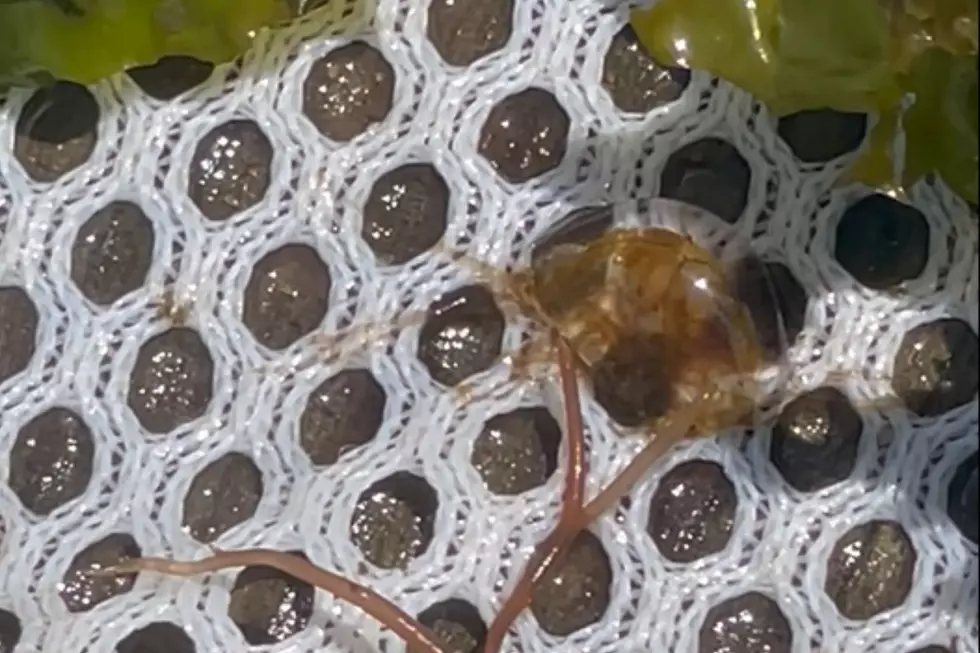
Even though these transparent jellyfish are only the size of a dime, they pack a mighty wallop. The pain increases in intensity over hours to days.
Jen Ursillo wrote an excellent article on this invasive nuisance with tons of important information you should know, including what to do if you get stung. Read her report here.
But I want to talk about some misinformation.
There are several myths regarding jellyfish that you should not buy into. This information comes from the National Oceanic and Atmospheric Association, which says the following myths are widely believed.

MYTH: Jellyfish are all the same species.
FACT: There are well over 200 species of jellyfish. Different species will live in different environments. For example, NOAA says sea nettles in the Chesapeake Bay are very different from those found in the ocean and are classified as a different species. Some jellyfish are much more harmful than others when stung, whereas some will do no harm at all.
MYTH: Jellyfish knowingly target people.
When your chest is on fire, your muscles are spasming, and that searing pain gets worse by the minute, it can seem meant, but it’s not. They don’t go after people. Any contact is entirely incidental. In fact, did you know jellyfish don’t even have brains? So, no evil plots here. Just random contact at the wrong time.

MYTH: Putting urine on a jellyfish sting reduces pain
FACT: This is probably the most widely believed myth of them all. No one’s sure where it came from, and in a “Friends” episode, Chandler agreed to pee on Monica’s jellyfish sting to ease the pain, but do you want to take medical advice from a sitcom?
The truth is medical doctors advise against using urine on jellyfish stings. It could just be flat-out ineffective. Or worse, peeing on a sting can actually cause the stinging cells to release even more venom, making the pain insufferable.
Yes, we know you've heard this your whole life. No, it is not true. Household vinegar is a better bet.
LOOK: Record fish caught in New Jersey
Gallery Credit: Stacker
Opinions expressed in the post above are those of New Jersey 101.5 talk show host Jeff Deminski only.
Discover the 10 Best Fishing Spots in New Jersey for Anglers
Gallery Credit: Jen Ursillo
LOOK: Record fish caught in Pennsylvania
Gallery Credit: Stacker
More From New Jersey 101.5 FM