

Beach badge money: Where does it really go?
🏖️ Shore towns collect tens of millions in beach badge revenue, but critics say it's often difficult for taxpayers to see exactly how every dollar is spent.
💰 State law requires beach fees be used for beach-related expenses, including lifeguards, policing, maintenance and dune protection.
📋 A proposal to increase transparency has stalled amid opposition from some Shore communities, though lawmakers say changes to the bill are being considered.
Where does New Jersey's beach badge money really go?
Few topics spark more debate than beach badge fees at the Jersey Shore.
Every summer, beachgoers shell out hundreds of dollars for seasonal access passes and daily badges. One of the questions I hear most often is simple: Where does all that money go?
Beach badge revenue is supposed to be spent on beach-related expenses. That includes lifeguard salaries, summer policing, beach and boardwalk maintenance, dune protection and other costs directly tied to operating public beaches.
But does it?
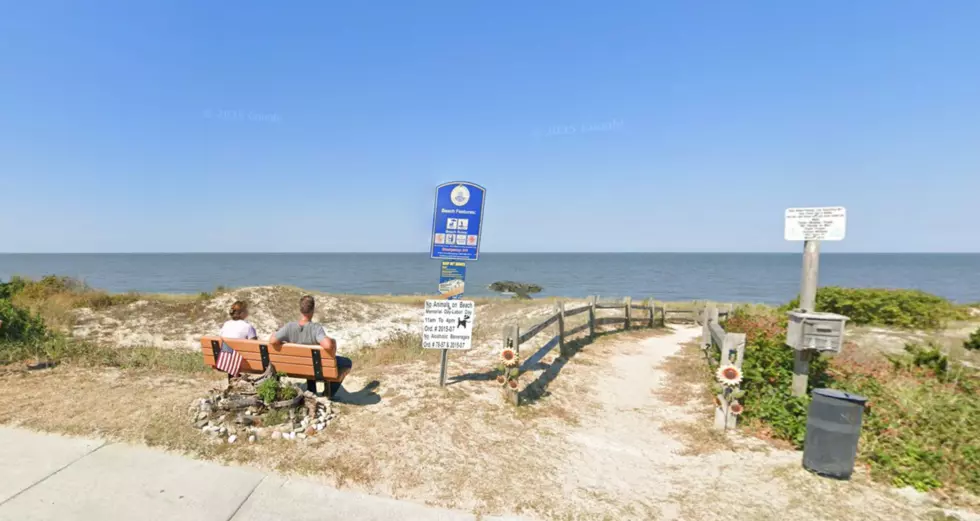
Push for transparency faces resistance
A proposal in Trenton designed to give taxpayers a clearer picture of how beach revenue is spent has hit a roadblock.
Monmouth County Assemblywoman Margie Donlon sponsored legislation, A-2293, that would require greater disclosure of beach-related revenue and expenses. Donlon believes "government works best when we're fully transparent" and argues beachgoers deserve to know where badge money is being spent.
The push for greater transparency comes after a 2025 Asbury Park Press investigation found that while coastal communities collected millions of dollars in beach revenue, municipalities did not always clearly disclose how those funds were used. The newspaper also reported that the New Jersey Department of Environmental Protection was not effectively performing its oversight role because of limited municipal disclosure.

Millions collected across the Jersey Shore
The stakes are significant.
Monmouth County officials reported beach-related revenue exceeded $32 million in 2025, an increase of roughly $2 million from the previous year. The newspaper reported that at least $25.6 million of that total came from beach badge sales alone.
Beach revenue can also include parking fees, beach chair and umbrella rentals, and vendor leases.
Not everyone agrees with Donlon's approach. Christopher Vaz, business administrator for Seaside Heights, told lawmakers many Shore towns already provide public accounting through municipal budgets or beach utility budgets. He argued any new transparency requirements should be incorporated into the municipal budgeting process rather than through state beach-access regulations.

What's next for the beach badge bill?
For now, the legislation remains in limbo.
Donlon says she is discussing possible amendments with local officials and is considering exemptions for towns that already maintain separate beach utility budgets. She says it is also possible that she will scrap her original bill and start over.
Why Beach Tags Should Never Be Allowed In New Jersey
Gallery Credit: Mike Brant
Hidden affordable NJ beach offering food, music, ferry & more
Gallery Credit: Mike Brant
These NJ Beach Towns Selected As Best In The State
Gallery Credit: Mike Brant
More From New Jersey 101.5 FM


